

Ferries
The easiest way to island-hop. High-speed operators like Seajets and Blue Star connect Santorini, Mykonos, and Naxos in under two hours. Always book ferry tickets 2–3 months ahead for July and August.
Greece ferry guide →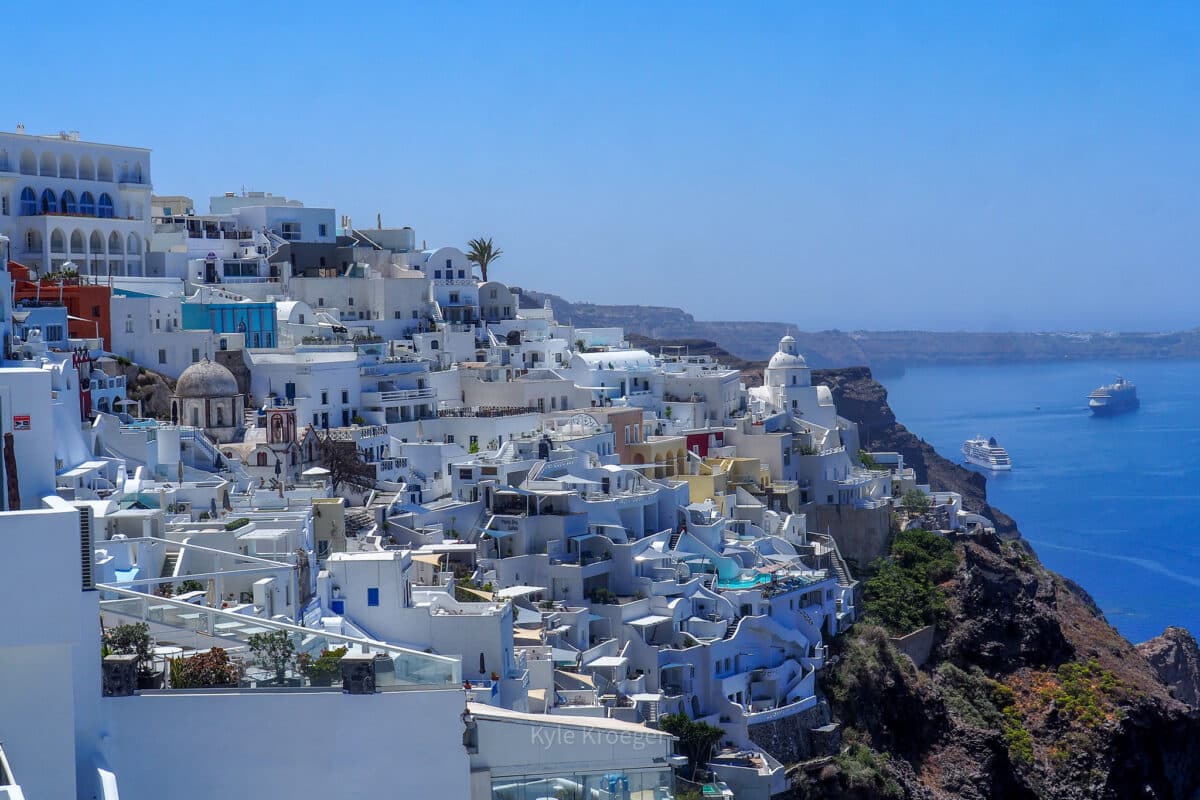
Some links on this page are affiliate links. If you book through them, we may earn a small commission at no extra cost to you.
What is Greece? Greece is a Mediterranean country in southeastern Europe, comprising a mainland peninsula and 227 inhabited islands across the Aegean and Ionian seas. A standard Greece travel itinerary requires 10 to 14 days, connecting the ancient history of Athens with the ferry logistics of the Cyclades (Santorini, Mykonos) or the beaches of Crete.
The fast facts every traveler needs before booking — language, currency, best season, entry rules, and the fees that affect your 2026 budget.
Greek (English widely spoken in tourist areas)
Euro (€) — Cards accepted widely, cash preferred at tavernas and small shops
May-June & September-October for warm weather, fewer crowds, and better prices
10-14 days for a comprehensive trip; 7 days minimum for island hopping
For non-EU nationals using the Schengen short-stay rules, the passport must be valid for at least 3 months after the intended EU departure date and have been issued within the previous 10 years. The Entry/Exit System (EES) became fully operational at external Schengen borders on April 10, 2026.
Ferries, domestic flights, and rental cars serve different parts of Greece. Confirm every ferry timetable with its carrier. EU ship-passenger rules usually cover most ferries sailing from an EU port and require the carrier to offer reimbursement or rerouting when a covered sailing is cancelled, subject to the published scope and exceptions.
Greece has 21 properties on the UNESCO World Heritage List. Greece's Ministry of Culture describes a unified Hellenic Heritage e-ticket and access-control system spanning 108 archaeological sites and museums, with the platform scheduled for full operation in April 2026.
From April through October, Greece's climate-crisis resilience fee per room and night is €2 for 1–2-star hotels, €5 for 3-star hotels, €10 for 4-star hotels, and €15 for 5-star hotels; lower rates apply from November through March. ETIAS is not operational. It is planned for the last quarter of 2026, but the exact start date has not been announced. The application fee will be €20. The Entry/Exit System (EES) became fully operational at external Schengen borders on April 10, 2026.
Final 2025 travel figures, new airline routes, updated fees, and digital ticketing changes — here's what to know before you book your 2026 trip.
Review scheduled: May 7, 2027
Review scheduled: February 3, 2027
Review scheduled: October 31, 2026
Review scheduled: November 3, 2026
Review scheduled: November 1, 2026
Review scheduled: January 15, 2027
Review scheduled: November 1, 2026
Review scheduled: November 3, 2026
Review scheduled: January 15, 2027
Review scheduled: October 30, 2026
Review scheduled: October 5, 2026
Review scheduled: October 5, 2026
Need help adapting to the new rules? Start with the Plan Your Trip hub for itineraries, budgets, and transport playbooks.
Pick a destination that matches how you actually want to travel — first-timer loop, family beach base, romantic escape, or budget-friendly Cyclades alternative.
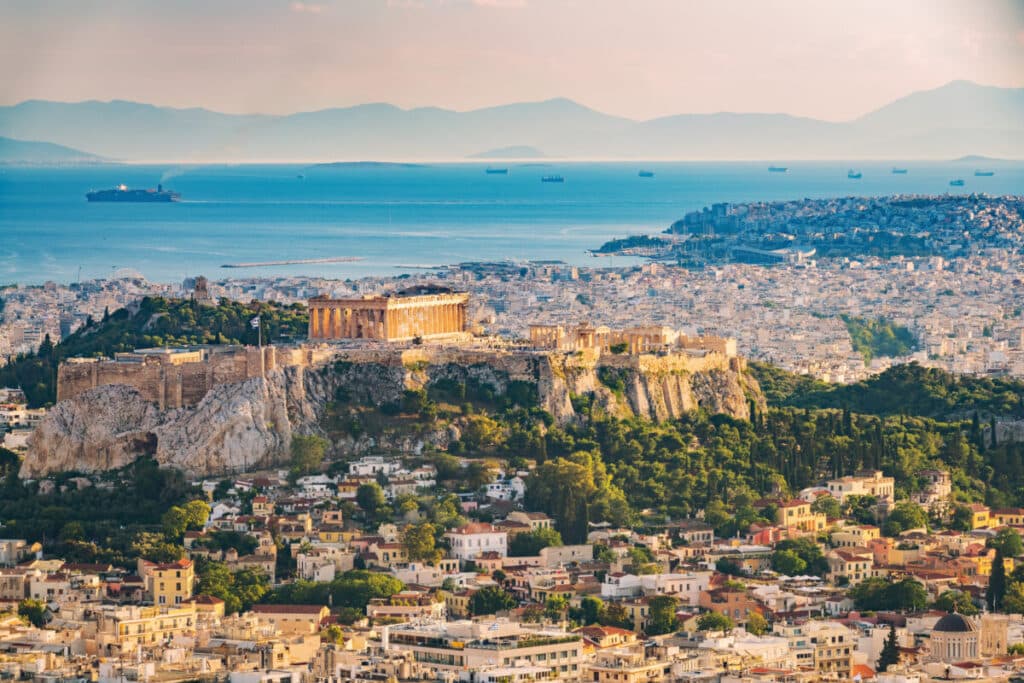

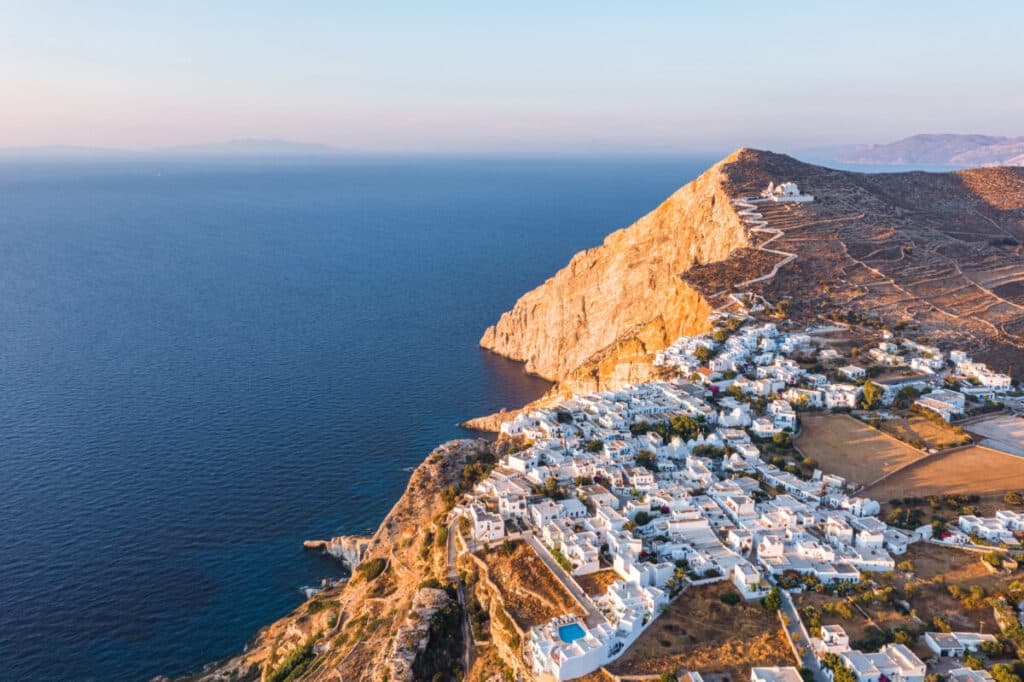
After 20+ years exploring Greece, these are the places that still give me goosebumps. Each offers something unique – from untouched traditions to natural wonders most visitors miss.
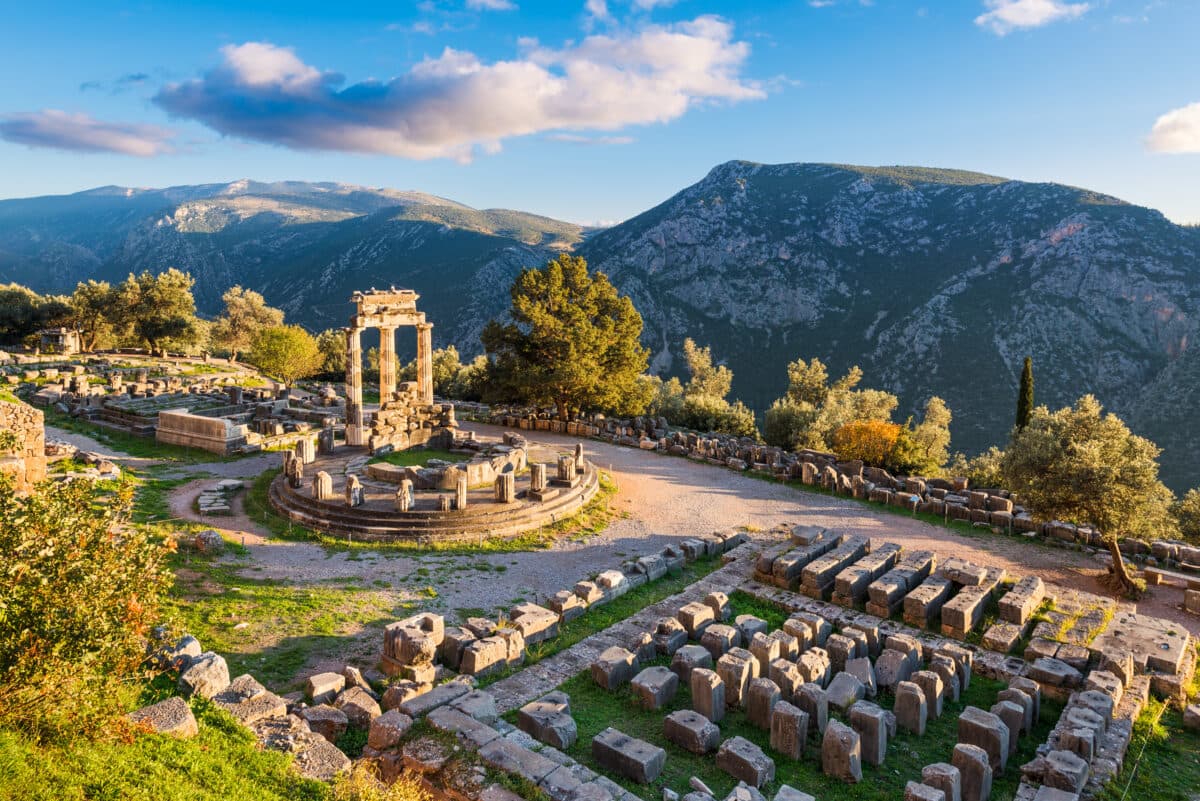
The ancient sanctuary of Apollo, once considered the center of the world, offering breathtaking mountain views.
Explore more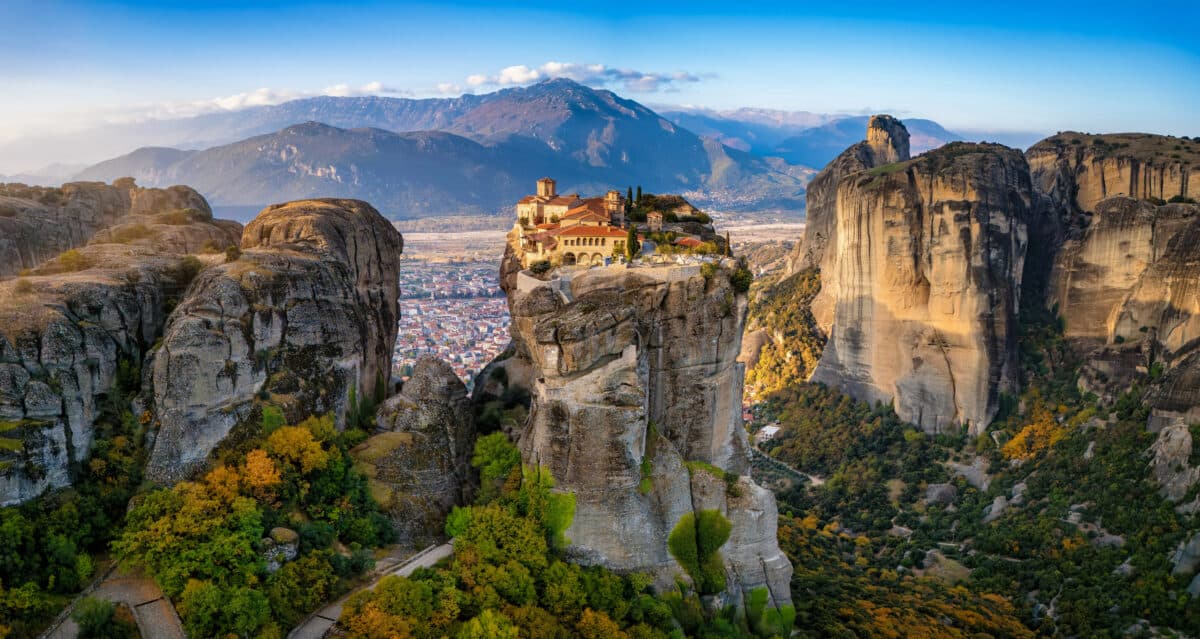
Skip the crowds by visiting at 6 AM. The monasteries floating on rock pillars in morning mist create otherworldly views.
Explore more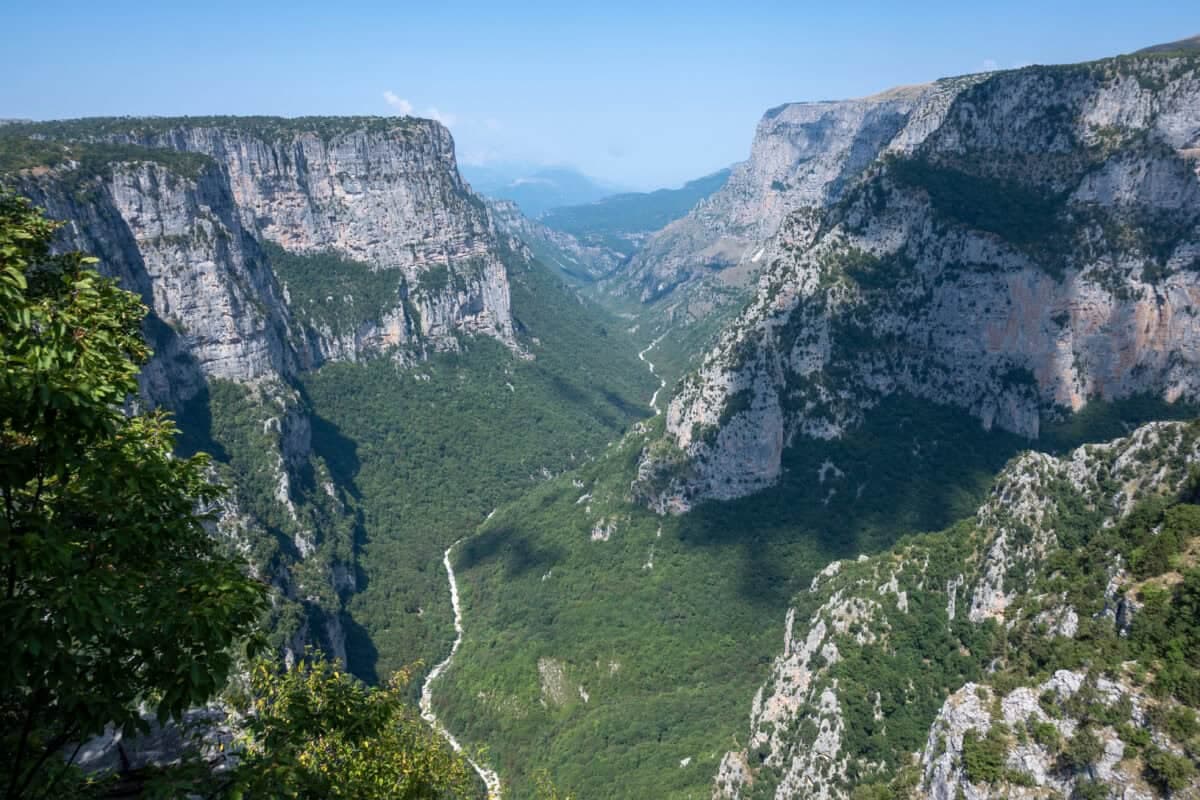
The world's deepest gorge relative to width, with traditional stone villages and arched bridges in the Pindus Mountains.
Explore more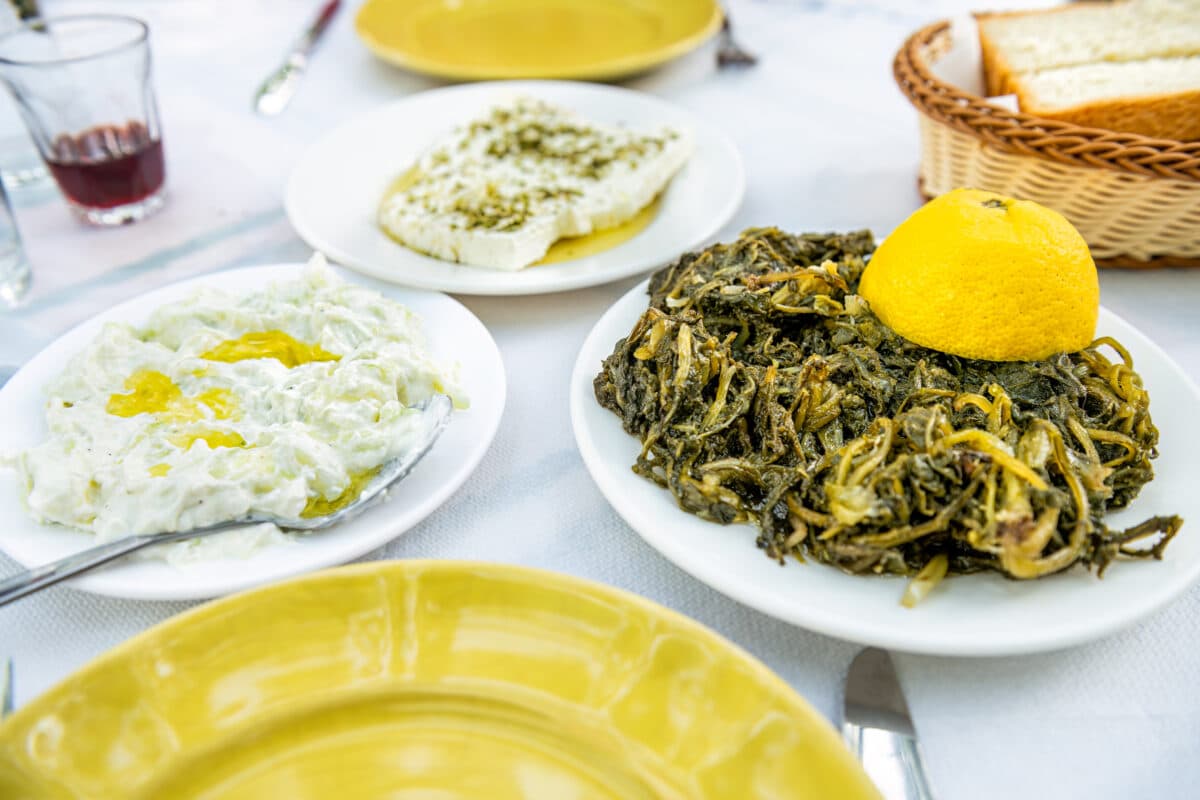
One of the world's "Blue Zones" where people live longest. Experience traditional panigiria festivals and healing hot springs.
Explore more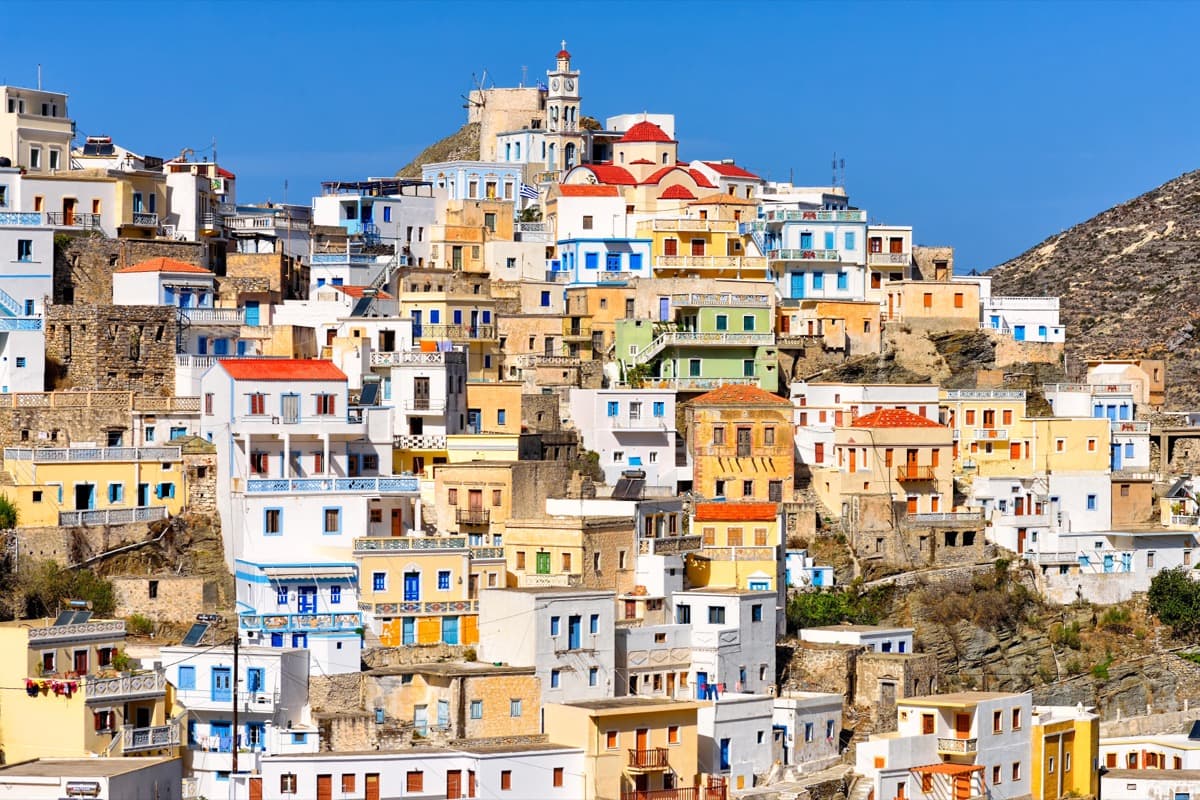
Time-capsule village where women still wear traditional dress daily and ancient customs survive untouched.
Explore more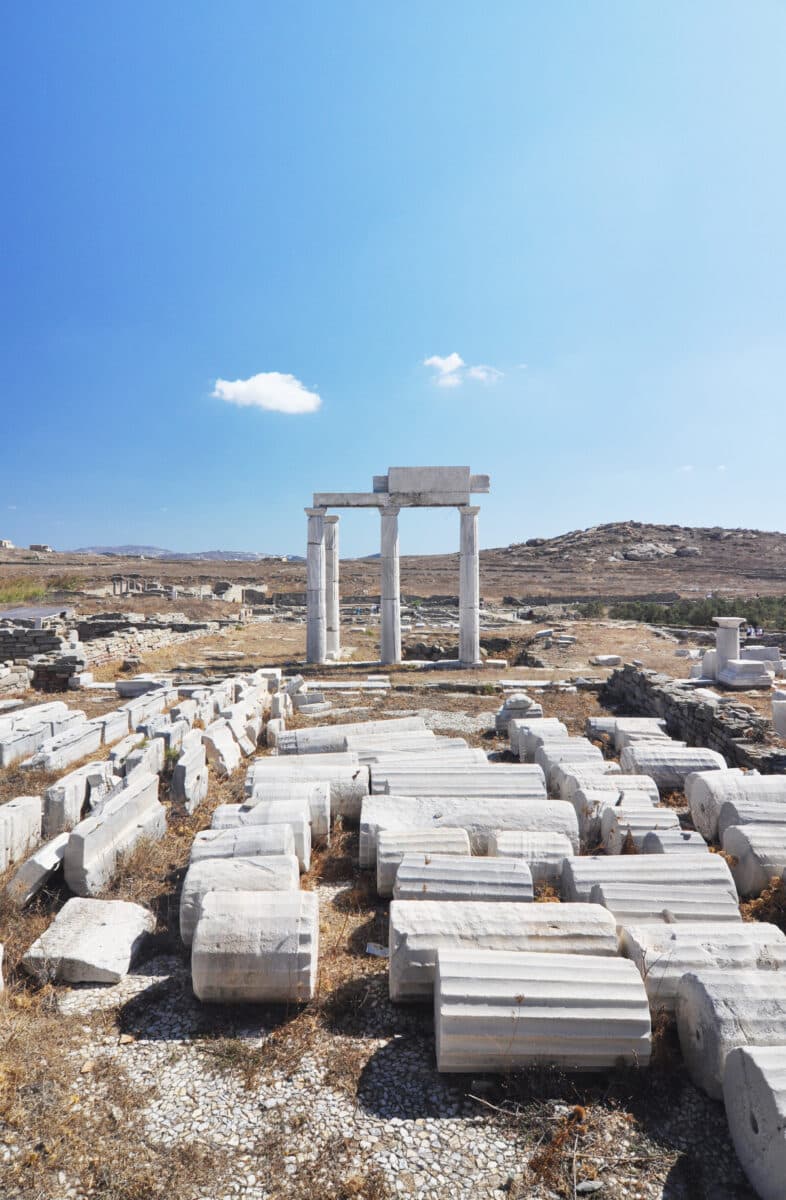
The sacred birthplace of Apollo, accessible only by boat from Mykonos. An entire ancient city frozen in time.
Explore moreNavigating Greece is a mix of high-speed ferries, short domestic flights, and local KTEL buses on the islands. Here is how to combine them.
The easiest way to island-hop. High-speed operators like Seajets and Blue Star connect Santorini, Mykonos, and Naxos in under two hours. Always book ferry tickets 2–3 months ahead for July and August.
Greece ferry guide →Athens International (ATH) connects to Santorini, Mykonos, Crete, and Rhodes via Aegean Airlines and Sky Express. Flights take ~45 minutes versus 5–8 hour ferry rides — ideal for tight itineraries or August wind delays.
Greece flight guide →The cheapest way to get around the islands. We maintain updated 2026 KTEL schedules for the major destinations:
Time-tested routes that balance must-sees with authentic experiences. Customize based on your interests and travel style.
Acropolis, Plaka neighborhood, National Archaeological Museum
Oracle site, mountain views, return to Athens
Caldera views, Oia sunset, wine tasting, beaches.Book top Santorini tours ↗
Last-minute shopping in Monastiraki
City exploration, Aegina day trip, food tour
Monasteries, hiking, sunset photography
Knossos, Samaria Gorge, Balos Lagoon.Compare Crete car rentals ↗
Full caldera experience
Beach time, Delos visit, farewell dinner
Start with timing and budgeting, then dive into ferries, itineraries, and insurance so every leg of your 2026 trip stays on track.
Balance weather, crowds, and ferry frequency with a month-by-month guide and shoulder-season tips.
Estimate trip costs with seasonal pricing, accommodation fees, and transport add-ons baked in.
Answer a few questions and pair marquee spots like Santorini with calmer islands such as Naxos or Paros for 7–14 day itineraries.
Understand seasonal winds, schedule changes, and when flights beat ferries for tight itineraries.
Browse Athens city breaks, Cyclades hopping, or mainland road trips with pacing tips and hotel suggestions.
Use a pre-departure checklist for entry documents, driving permits, and coverage basics.
Explore Greece's diverse island groups and mainland destinations with detailed guides for each

Volcanic drama and iconic sunsets

Cosmopolitan nightlife and luxury

Largest island with diverse experiences
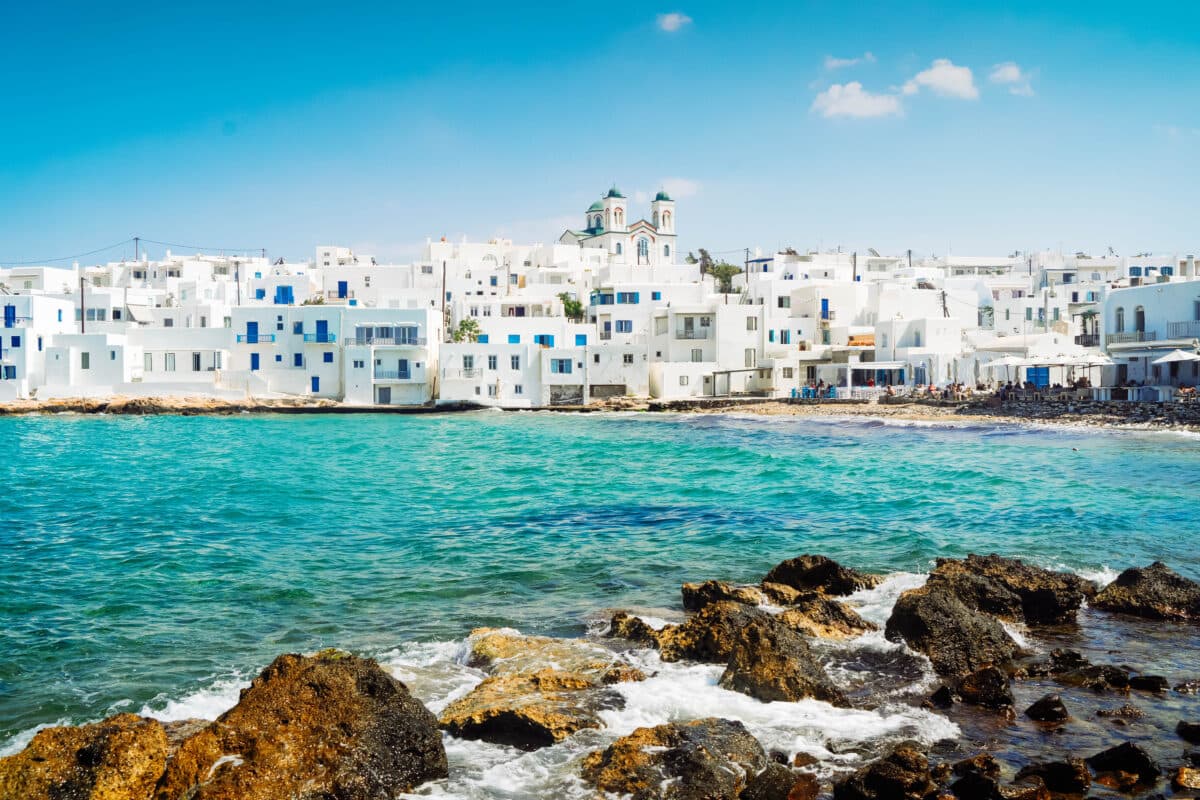
Charming villages and sandy beaches
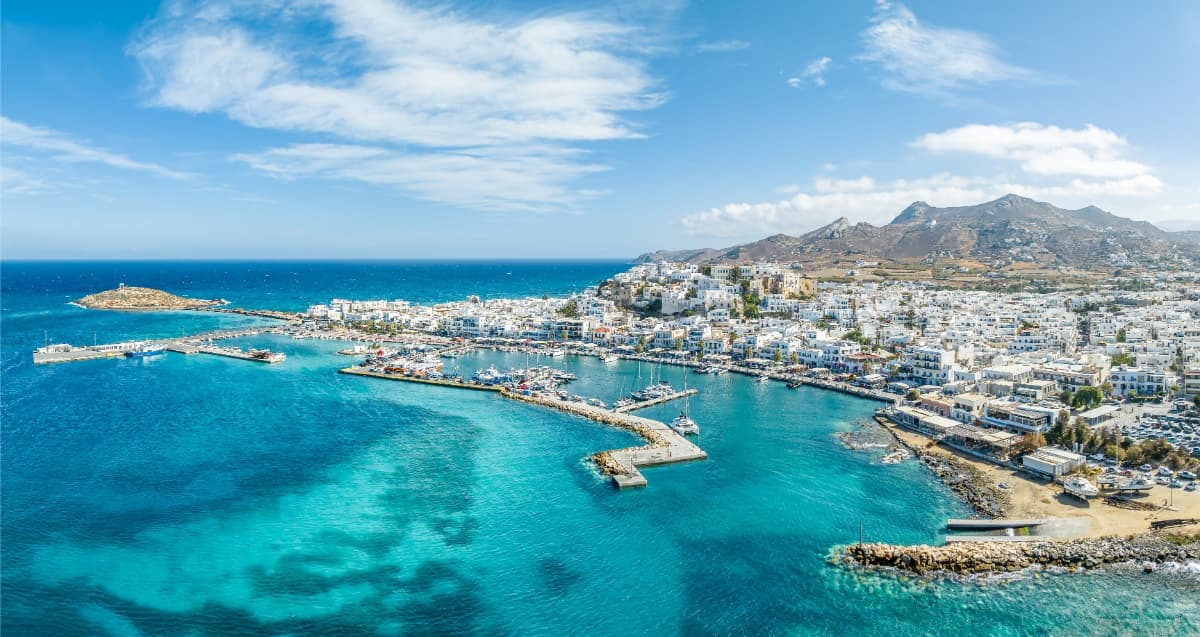
Authentic culture and endless beaches

Dramatic cliffs and spiritual serenity
Greece has over 200 inhabited islands, each with its own character. Here's how to choose:
Stunning sunsets, boutique hotels, fine dining
Archaeological sites, museums, traditional life
The most famous Greek island group, known for whitewashed villages, blue-domed churches, and stunning beaches. Perfect for island hopping with frequent ferry connections.
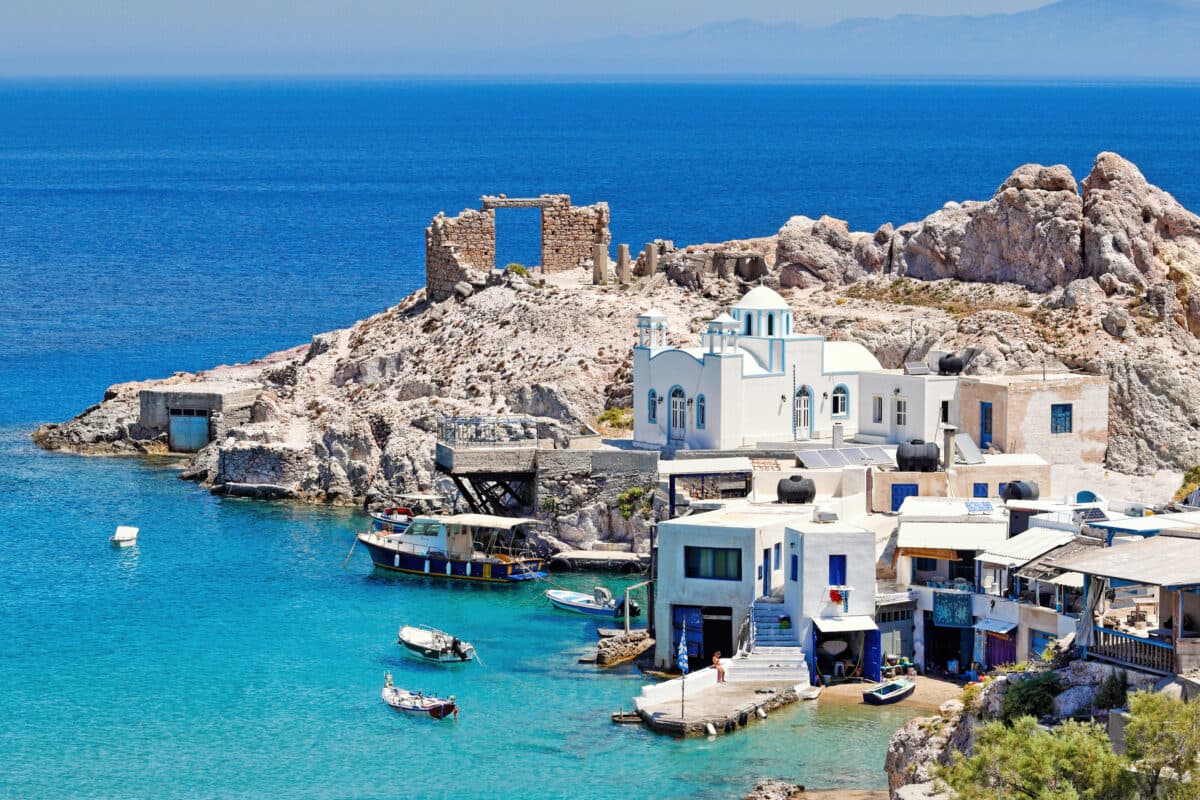
Volcanic beaches in every color – from white Sarakiniko to red Tsigrado
Best for: Geology lovers, beach variety
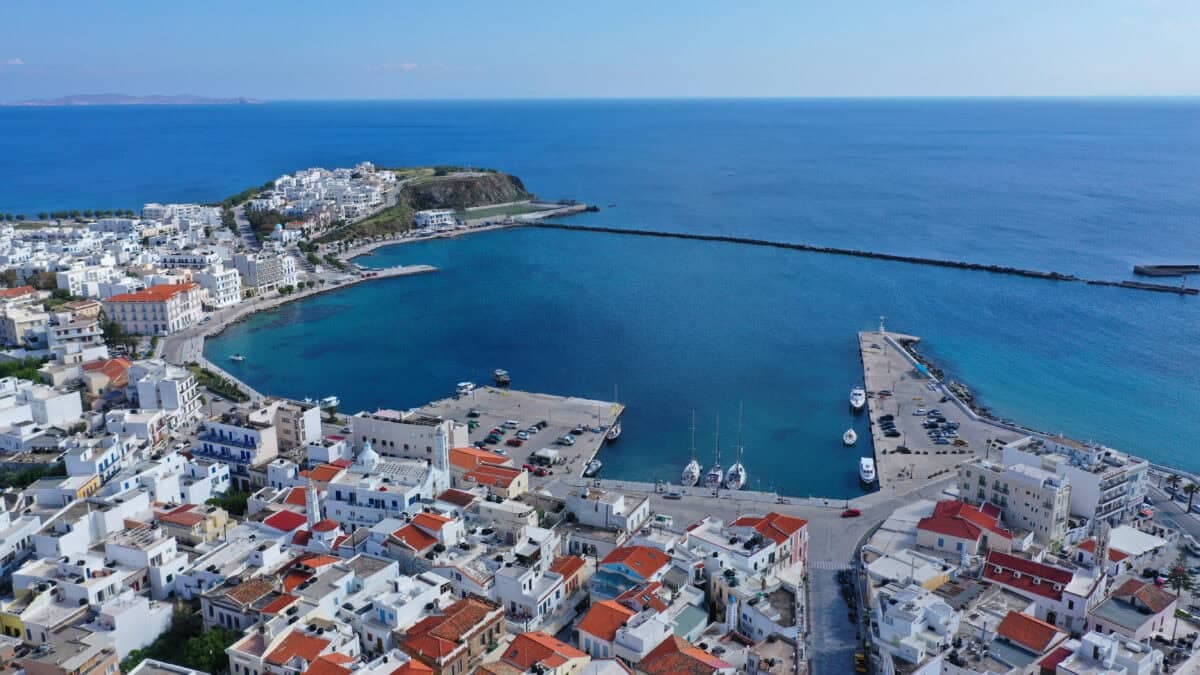
Authentic island life with 40+ villages and Greece's most important pilgrimage site
Best for: Culture, hiking, food
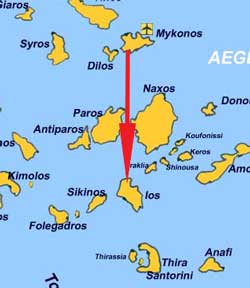
Beautiful beaches by day, vibrant nightlife by night, plus Homer's tomb
Best for: Young travelers, beach lovers
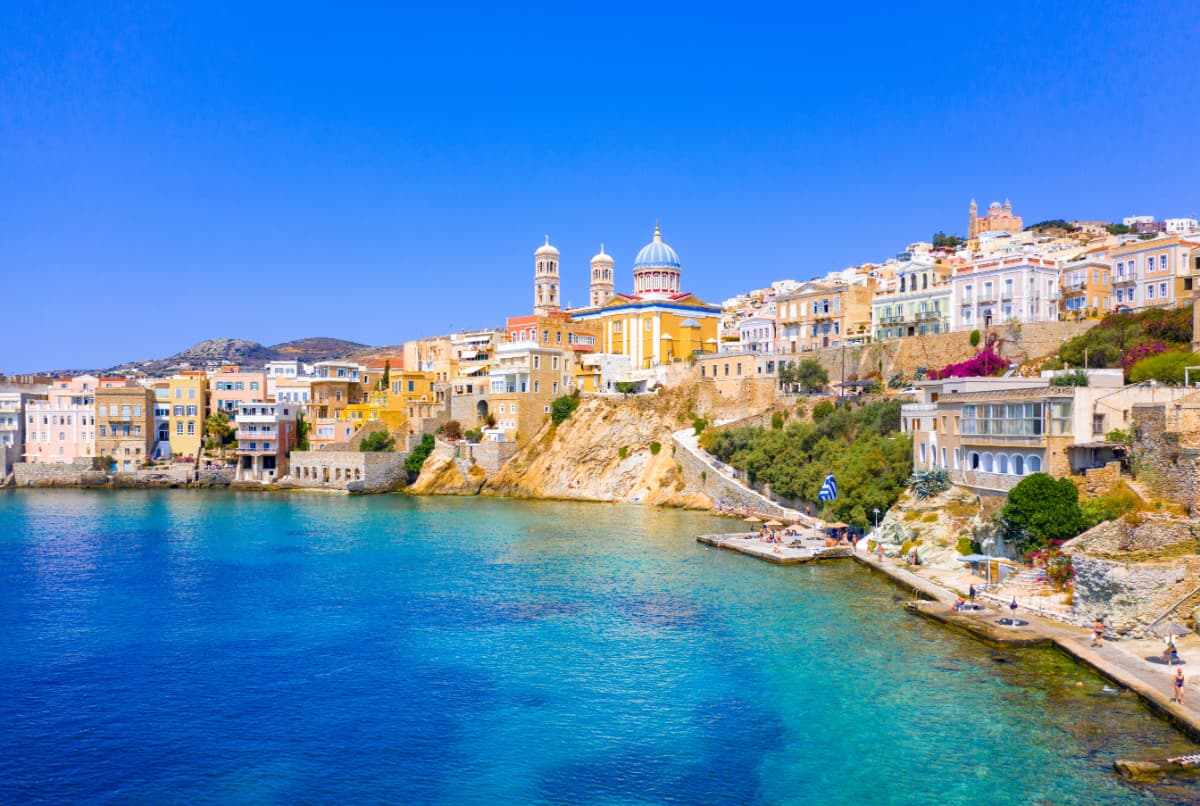
Elegant Ermoupoli with neoclassical architecture and year-round local life
Best for: Architecture, authenticity
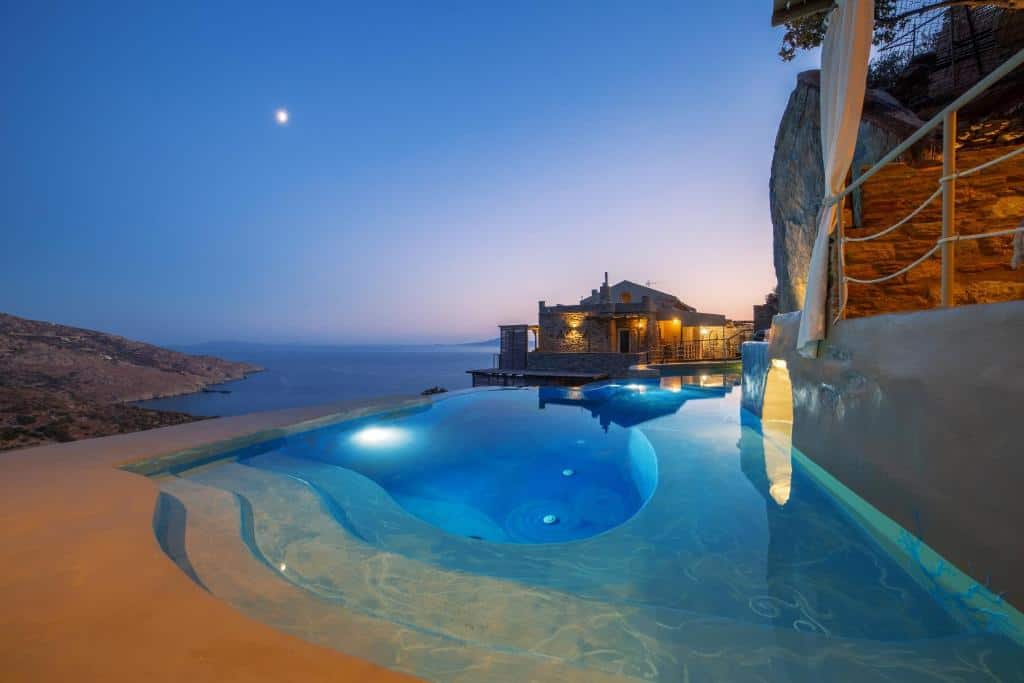
Lush valleys, waterfalls, and hiking trails just 2 hours from Athens
Best for: Nature, hiking, quick escapes
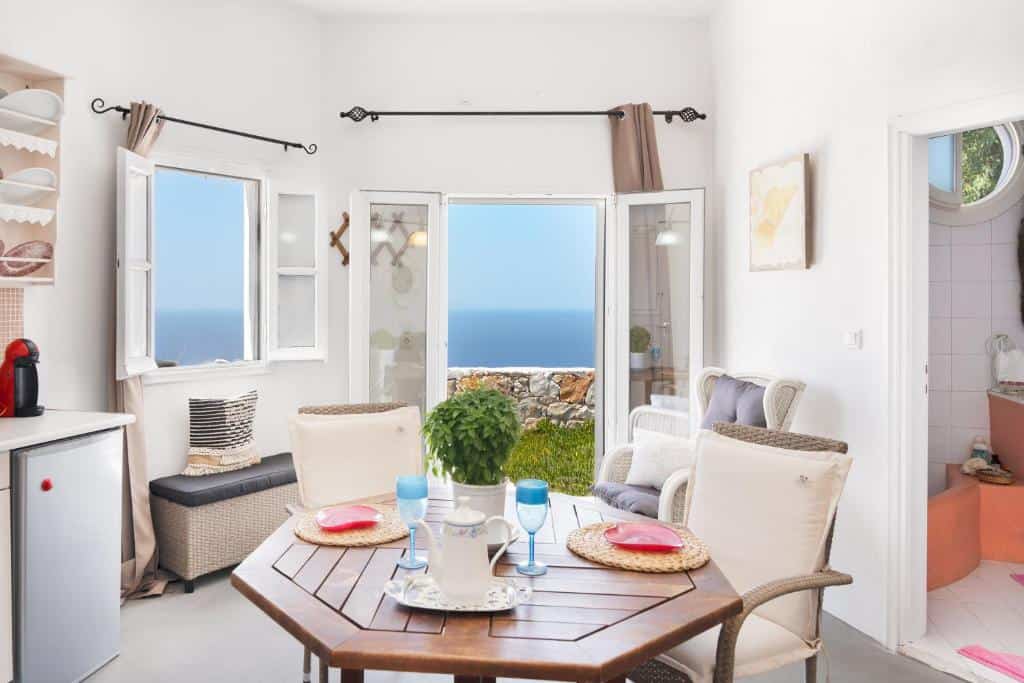
Laid-back sister to Paros with incredible caves and boho-chic vibes
Best for: Relaxation, families
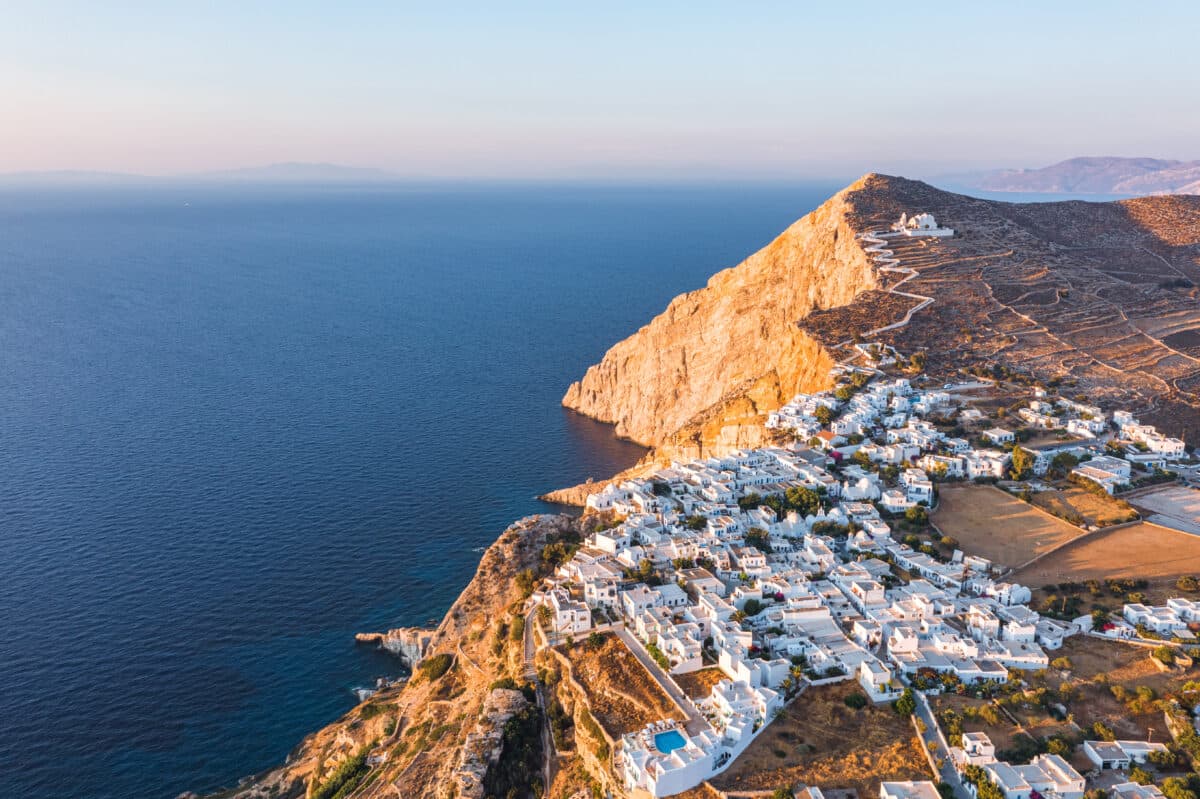
Dramatic Chora perched on 200m cliffs, untouched by mass tourism
Best for: Romance, photography
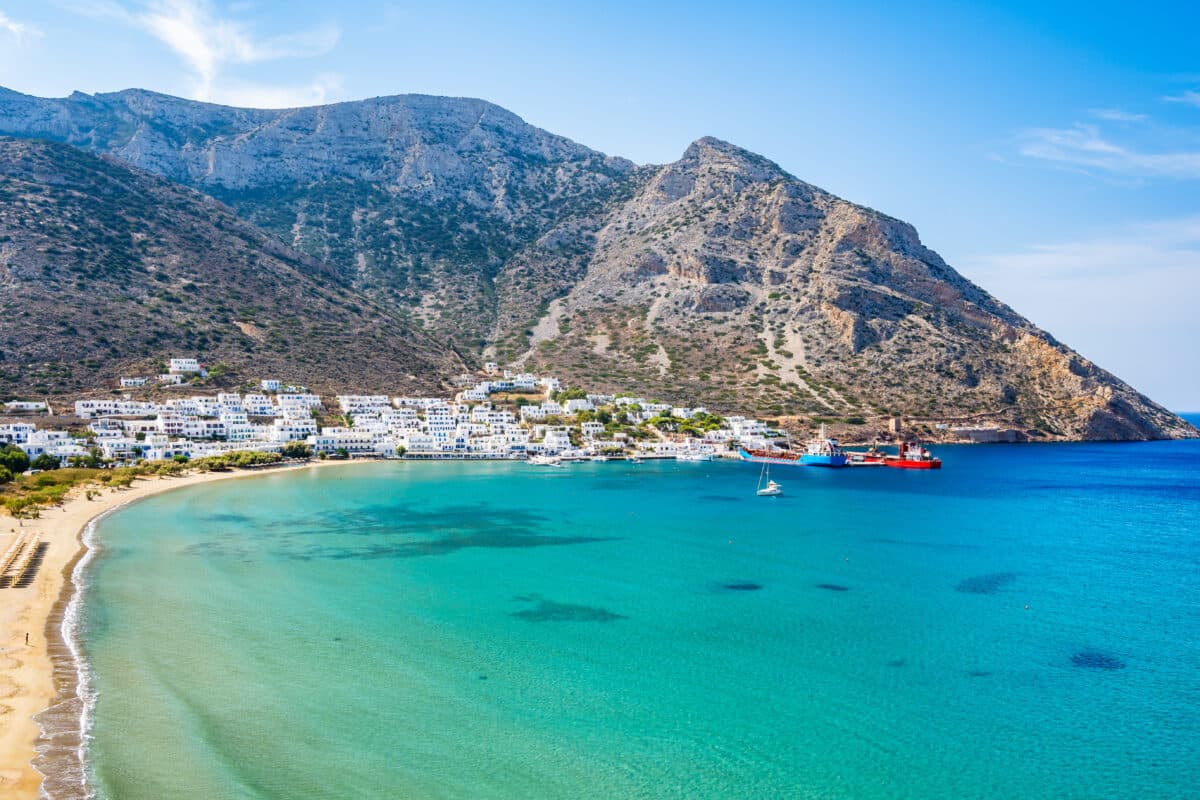
Food capital of the Cyclades with ceramic traditions and 365 churches
Best for: Foodies, culture, hiking
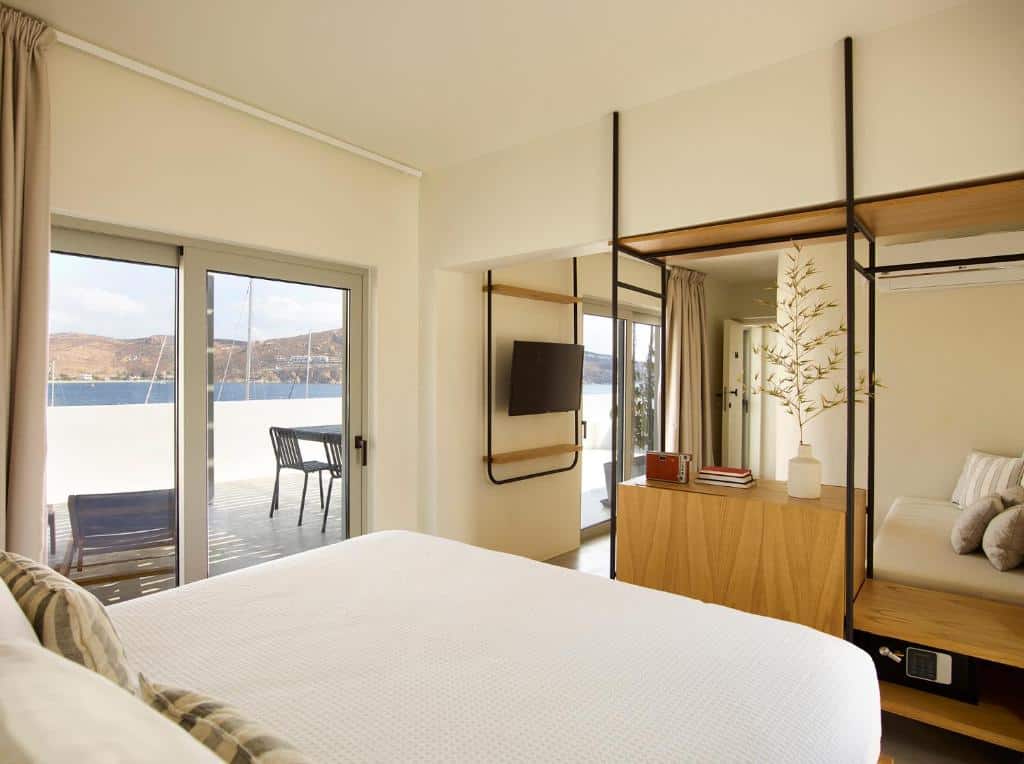
Wild beauty with 72 beaches and a stunning hilltop Chora
Best for: Off-grid escape, beaches
Make sure you check my other dedicated travel blogs for Greece with a ton of information and tips:
All you need to know about the largest island in Greece
The island with the most amazing beaches in Greece
The capital of Greece is a foodie's and culture lovers' paradise
Everything about the most famous and romantic Greek island
Everything about one of the most hyped Greek islands
The largest Cyclades island with the best beaches in Greece
Practical insights to help you travel smart and experience Greece authentically
May-June and September-October are ideal. July-August are peak (hot, crowded, expensive). Winter offers culture without crowds.
Shoulder season benefits: 30% lower prices, perfect weather, locals have time to chat
Learn moreBook ferries 2-4 weeks ahead in summer. Consider regional airports. Mix popular and lesser-known islands.
Pro tip: Use ferry apps like Ferryhopper, arrive 45 min early, book cabins for overnight routes
Learn moreBackpacker: €40-60/day. Mid-range: €100-150/day. Luxury: €300+/day. Always carry cash for small tavernas.
Save money: Eat where locals eat, use public transport, visit free archaeological sites on Sundays
Learn moreDinner starts at 9-10 PM. Siesta time is sacred (2-5 PM). "Filoxenia" (hospitality) is core to Greek culture.
Key phrases: "Kalimera" (good morning), "Efharisto" (thank you), "Yamas" (cheers)
Learn moreEU healthcare standards. Tap water safe in cities, potable but often brackish on islands like Santorini. Emergency number: 112.
Pack: High SPF sunscreen, hat, comfortable walking shoes, basic first aid, mosquito repellent
Learn moreChoose eco-certified hotels, refuse single-use plastics, respect beach nesting sites, support local artisans.
Make a difference: Stay longer in fewer places, eat seasonal, use refillable water bottles
Learn moreTake the guesswork out of your trip budget and logistics with our custom interactive tools.
See exactly how much tax you can claim back on shopping in Greece.
Check upcoming ferry, air-traffic, and public-transit strikes that could affect your dates.
Find out if the water is warm enough for swimming during your travel dates.
Build a multi-island ferry itinerary with realistic transit times and overnight pacing.
Essential booking resources for flights, accommodations, transportation, and activities
Quick answers to the 2026 questions we hear most often — timing, budget, visas, transport, and the new fees.
The best time to visit Greece is during the shoulder seasons of May, June, September, and October. You will experience pleasant beach weather (20–28 °C) without the extreme heat, peak prices, and large crowds of July and August.
You need at least 7 to 10 days for a first-time trip to Greece. That gives you 2 days for the historical sites in Athens plus 5 to 8 days island-hopping between two islands such as Santorini and Naxos, or Santorini and Crete.
Visa requirements depend on nationality and trip length. Many visa-exempt non-EU visitors can use the Schengen short-stay rules for up to 90 days in any 180-day period. For non-EU nationals using the Schengen short-stay rules, the passport must be valid for at least 3 months after the intended EU departure date and have been issued within the previous 10 years. ETIAS is not operational. It is planned for the last quarter of 2026, but the exact start date has not been announced. The application fee will be €20.
A budget traveler should plan for €60–€80 per day. Mid-range travelers should budget €150–€250 per day including hotels, ferries, and dining. Popular islands like Santorini and Mykonos run 30–50% higher than the mainland or quieter Cyclades islands.
From April through October, Greece's climate-crisis resilience fee per room and night is €2 for 1–2-star hotels, €5 for 3-star hotels, €10 for 4-star hotels, and €15 for 5-star hotels; lower rates apply from November through March. Cruise visitors to Santorini should confirm the applicable disembarkation fee with their cruise operator before travel.
Ferries are the most common option, with high-speed routes connecting Santorini, Mykonos, and Naxos in under two hours. Domestic flights from Athens cover Crete, Santorini, Mykonos, and Rhodes in roughly 45 minutes. Book peak-season ferries 2–3 months ahead.
Meltemi winds can trigger Coast Guard sailing bans in July and August — keep a domestic-flight backup for time-sensitive connections.
The culture ministry closes the Acropolis and other open-air sites during 40 °C+ surges, and the same protocol applies for 2026. Book the earliest entry slot, carry water, and plan indoor activities (museums, food tours) between noon and 5 p.m.
Reserve peak-season stays 3–4 months ahead (longer for Santorini caldera hotels) and lock in ferries and tours at least 3 weeks in advance. Shoulder-season trips can usually be booked 4–6 weeks out with free-cancellation rates.
Have more questions? Dive into our detailed guides:
Whether you're dreaming of ancient ruins, island beaches, or mountain villages, Greece has something magical waiting for you. Let's turn your Greek travel dreams into reality.
Start with our curated 7-day itinerary covering Athens and Santorini
View starter itinerary →Learn the best routes and ferry strategies for seamless island travel
Island hopping guide →Browse our complete collection of Greek destinations and hidden gems
Browse all islands →