Quick answer
Is Milos worth visiting?
Milos stands apart in the Cyclades as the “Island of Colors” – a volcanic masterpiece where mineral wealth has painted cliffs in impossible hues.
Prioritize Sarakiniko Beach, Kleftiko sea caves, Plaka kastro sunset if you only have one or two days.
Milos is strongest for Beach hoppers, Photographers, Couples.
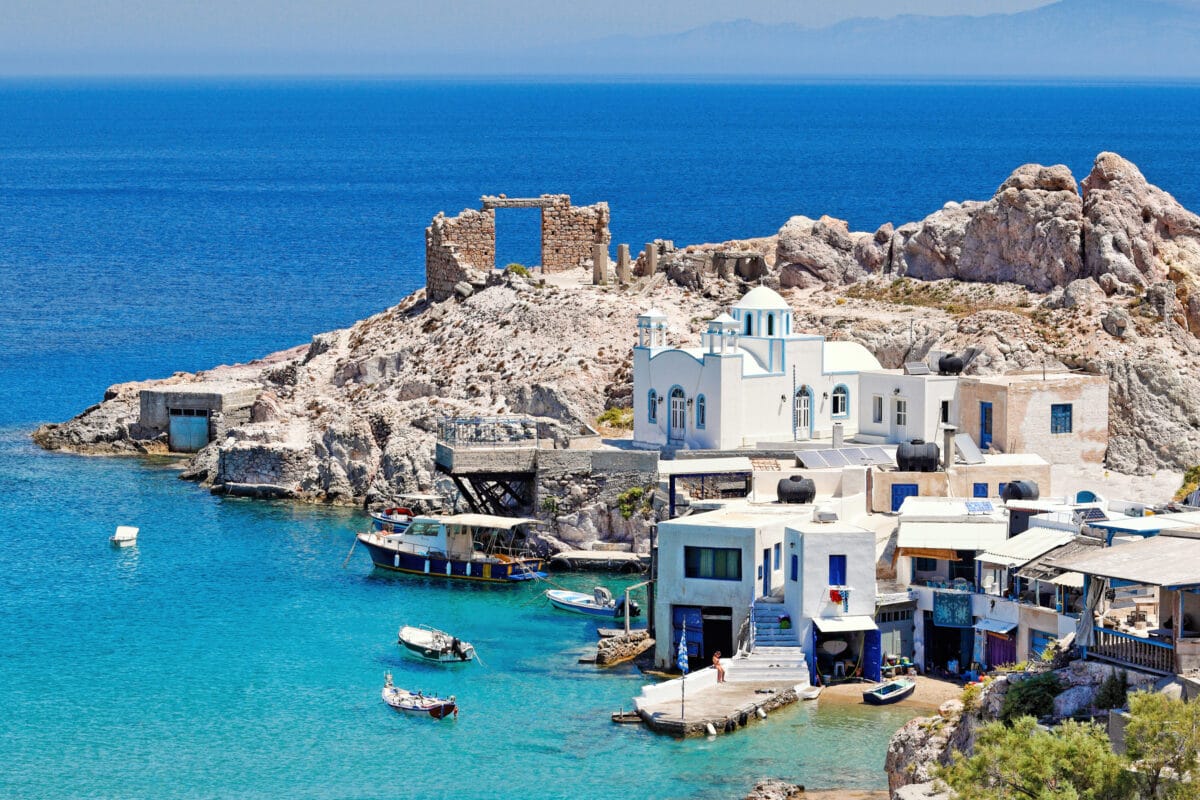
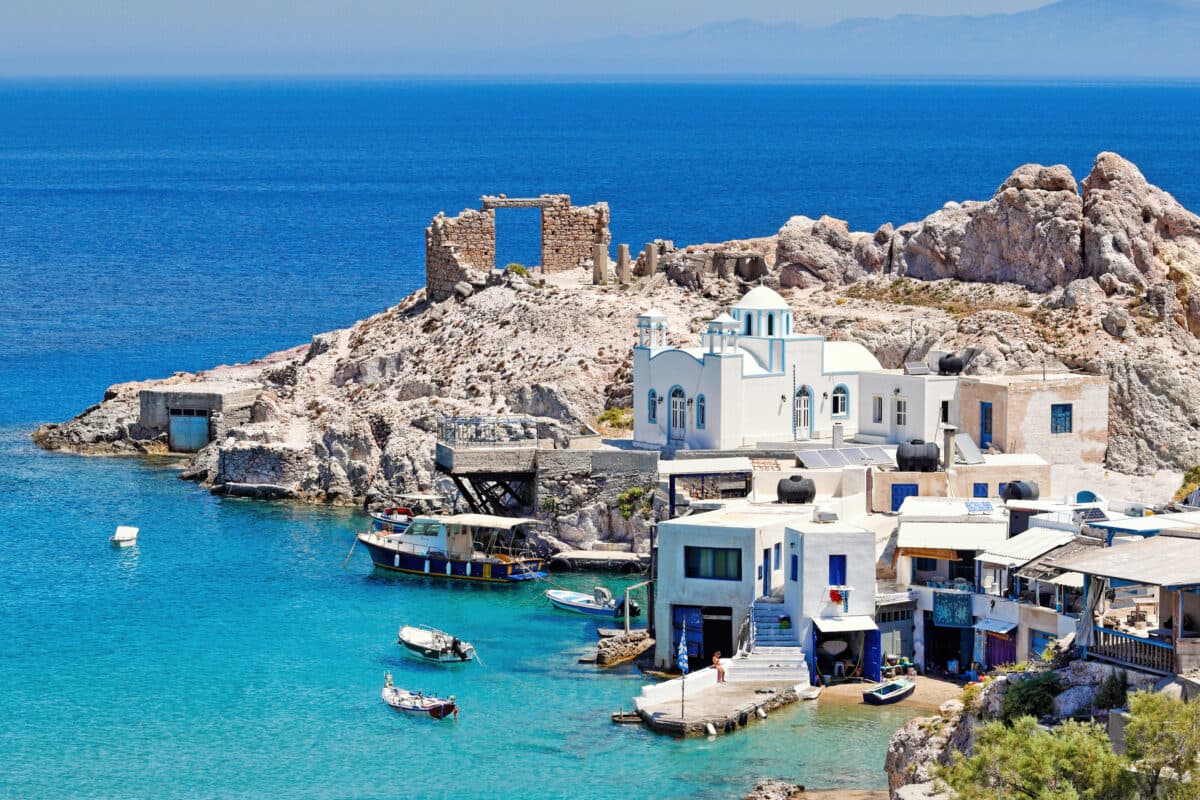
Milos stands apart in the Cyclades as the “Island of Colors” – a volcanic masterpiece where mineral wealth has painted cliffs in impossible hues. With over 70 distinct beaches, each a unique geological creation, this is where you will find Sarakiniko’s lunar landscape, Kleftiko’s pirate caves, and syrmata fishermen’s houses built into the sea. Unlike purely tourist-driven islands, Milos maintains authenticity through its continued mining heritage, making it ideal for travelers seeking drama without overwhelming crowds.

A volcanic island forged by fire, featuring over 70 geologically diverse beaches, otherworldly rock formations, and the dramatic landscapes of Sarakiniko and Kleftiko sea caves. Beyond tourism, Milos maintains its authentic character through a robust mining industry that has shaped its identity for millennia.

Why Milos Stands Out
The bone-white lunar rocks of Sarakiniko at sunrise — smooth volcanic stone sculpted by wind and sea into an alien landscape
Why Visit Milos
Milos is a volcanic island in the southwestern Cyclades whose geological drama produces some of Greece’s most extraordinary landscapes. Sarakiniko, a chalky-white moonscape of smooth pumice stone carved by wind and waves, is the island’s signature beach — its surreal forms and hidden sea caves feel transported from another planet. Kleftiko, once a pirate hideout, is a dramatic sea-cave complex of turquoise grottoes accessible only by boat. With over 80 beaches in an astonishing spectrum of colours — white, orange, red, and black — Milos has more beach variety than any other Cycladic island. The fishing village of Klima features syrmata, colourful boat garages built directly at the waterline, while nearby Plaka’s hilltop kastro offers a 360-degree sunset panorama. Milos is also the birthplace of the Venus de Milo (Aphrodite of Milos), discovered by a farmer in 1820 and now the centrepiece of the Louvre. The island’s volcanic geology extends to hot springs at Paleochori beach, where the sea floor vents geothermal heat, and the ancient Christian catacombs — one of the earliest in the world.
Milos at a Glance
- Best time
- Shoulder seasons (May and September) offer the perfect balance of warm weather, calm seas, and fewer crowds. July and August are peak season, when the island is busiest and hottest.
- Daily style
- $$$$
- Best for
- Beach hoppers, Photographers, Couples
- Island group
- CYCLADES
- Beauty score
- 9.4/10
Must-See in Milos
- Sarakiniko Beach
- Kleftiko sea caves
- Plaka kastro sunset
- Klima fishing village
- Catacombs of Milos
What Makes Milos Different
- Sarakiniko lunar-white volcanic coastline
- Kleftiko sea caves reached by boat
- Colorful syrmata fishing houses in Klima and Mandrakia
- Volcanic beaches including Firiplaka, Tsigrado, and Papafragas
- Plaka sunset views above the western Cyclades
Who Milos Is Perfect For
- Beach hoppers
- Photographers
- Couples
Loading traveler reality-check data for Milos.
Essential Information
Perfect For
What You’ll Find
Unique Features
Essential Milos Resources
Start with practical planning links, then use tools to refine your itinerary.
Plan Your Trip
Milos Travel FAQ
When is the best time to visit Milos?
Milos is best visited during Shoulder seasons (May and September) offer the perfect balance of warm weather, calm seas, and fewer crowds. July and August are peak season, when the island is busiest and hottest..
What is Milos known for?
The bone-white lunar rocks of Sarakiniko at sunrise — smooth volcanic stone sculpted by wind and sea into an alien landscape Sarakiniko lunar-white volcanic coastline, Kleftiko sea caves reached by boat, Colorful syrmata fishing houses in Klima and Mandrakia
What are the must-see attractions in Milos?
Milos must-see attractions include Sarakiniko Beach, Kleftiko sea caves, Plaka kastro sunset, Klima fishing village, Catacombs of Milos.
What are the hidden gems in Milos?
Milos hidden gems include Tsigrado Beach (ladder access through cliff), Paleochori volcanic hot springs, Sykia Cave (collapsed sea cave), Thiorichia abandoned sulphur mines, Poliegos uninhabited island.
Who is Milos best for?
Milos is best for Beach hoppers, Photographers, Couples. Travel types include Beach lovers, Couples, Photographers, Boat-trip travelers, Geology fans, Food travelers.