Quick answer
Is Meteora worth visiting?
Meteora isn’t just a destination—it’s an awakening.
Prioritize Great Meteoron Monastery, Varlaam Monastery courtyard, Holy Trinity (James Bond monastery) if you only have one or two days.
Meteora is strongest for Photographers, Spiritual seekers, Hikers.
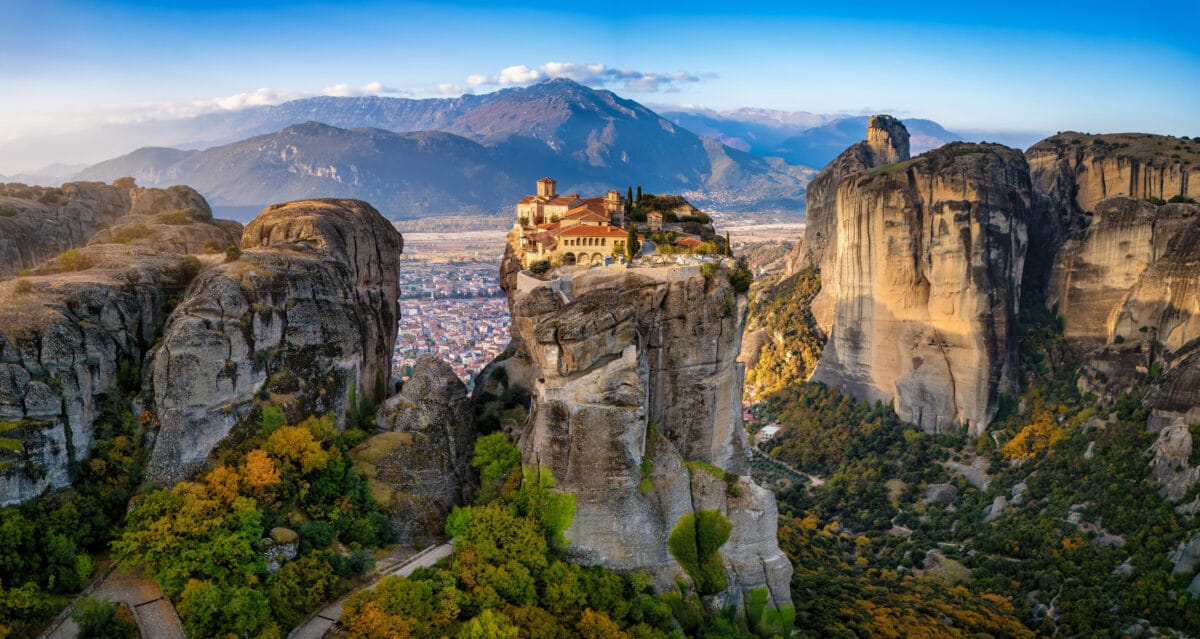
Meteora isn’t just a destination—it’s an awakening. These colossal sandstone pillars, sculpted by 60 million years of geological forces, rise dramatically from the Thessalian plain, crowned by gravity-defying monasteries that have housed Orthodox monks since the 9th century. The name “Meteora” means “suspended in the air,” perfectly capturing this ethereal landscape where faith literally moved mountains. Today, six of the original 24 monasteries remain active, welcoming visitors to explore Byzantine art, experience living monastic traditions, and witness views that blur the line between earthly and divine.
Experience the awe-inspiring Meteora, where ancient monasteries crown towering sandstone pillars suspended between heaven and earth. This UNESCO World Heritage site in central Greece offers a unique blend of natural wonder and spiritual heritage that will transform your perspective on what’s possible.


Why Meteora Stands Out
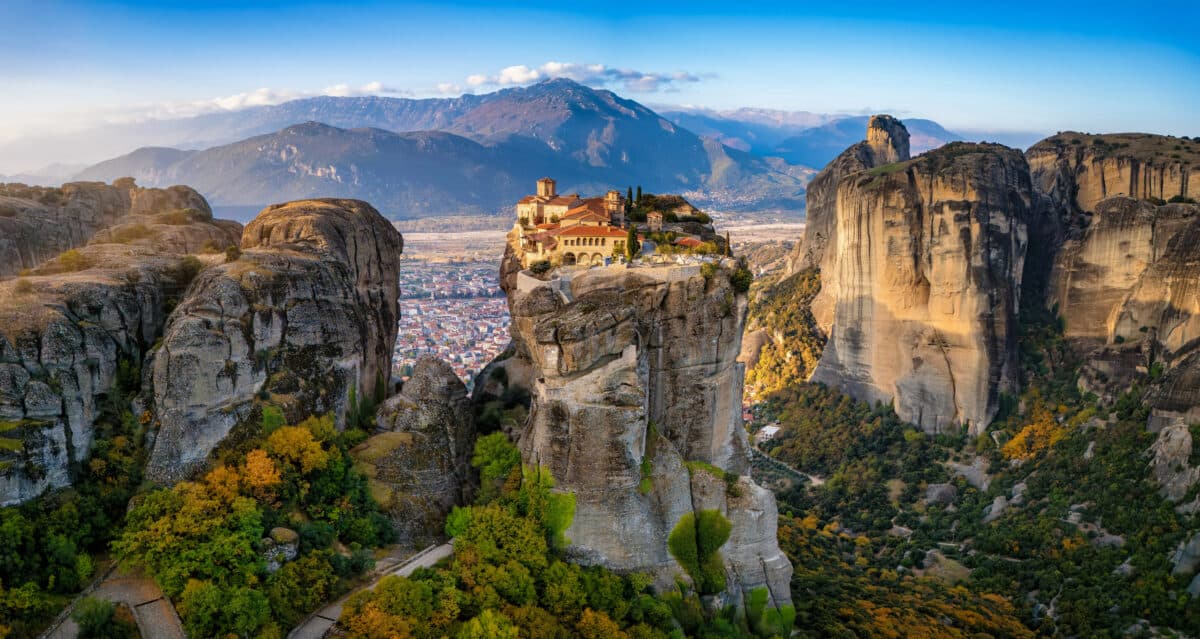
Six cliff-edge monasteries floating above the clouds on 400-metre sandstone pillars — a sight that defies gravity
Why Visit Meteora
Meteora, meaning ‘suspended in the air’, is a geological and spiritual marvel in central Greece where 24 monasteries were originally built atop immense sandstone pillars rising from the Thessalian plain. Six remain active today, each accessible by carved stone steps or bridges. The rock formations themselves, reaching up to 400 metres, were shaped 60 million years ago when the area was an ancient seabed. Hermit monks first settled in the caves around the 11th century, and organised monastic life began in the 14th century when Athanasios founded the Great Meteoron. The monasteries served as refuges during Ottoman rule and preserve invaluable Byzantine frescoes, manuscripts, and religious artefacts. Today Meteora holds dual UNESCO World Heritage status for both natural and cultural importance. Beyond the monasteries, the region offers rock climbing, via ferrata routes, mountain biking, and hiking through forests connecting Kalambaka and Kastraki — the two gateway towns at the base of the pillars.
Meteora at a Glance
- Best time
- April-May and September-October for mild weather and fewer crowds
- Daily style
- $$
- Best for
- Photographers, Spiritual seekers, Hikers
- Island group
- Mainland Thessaly
- Beauty score
- 9.7/10
Must-See in Meteora
- Great Meteoron Monastery
- Varlaam Monastery courtyard
- Holy Trinity (James Bond monastery)
- Roussanou Monastery
- Sunset Rock viewpoint
What Makes Meteora Different
- Monasteries built on sandstone pillars above Thessaly
- UNESCO World Heritage cultural and natural landscape
- Sunset viewpoints between Kalambaka and Kastraki
- Hiking paths linking rocks, hermit caves, and monasteries
- Easy pairing with Delphi, Thessaloniki, or northern Greece road trips
Who Meteora Is Perfect For
- Photographers
- Spiritual seekers
- Hikers
Loading traveler reality-check data for Meteora.
Essential Information
Perfect For
What You’ll Find
Unique Features
Essential Meteora Resources
Start with practical planning links, then use tools to refine your itinerary.
Plan Your Trip
Meteora Travel FAQ
When is the best time to visit Meteora?
Meteora is best visited during April-May and September-October for mild weather and fewer crowds.
What is Meteora known for?
Six cliff-edge monasteries floating above the clouds on 400-metre sandstone pillars — a sight that defies gravity Monasteries built on sandstone pillars above Thessaly, UNESCO World Heritage cultural and natural landscape, Sunset viewpoints between Kalambaka and Kastraki
What are the must-see attractions in Meteora?
Meteora must-see attractions include Great Meteoron Monastery, Varlaam Monastery courtyard, Holy Trinity (James Bond monastery), Roussanou Monastery, Sunset Rock viewpoint.
What are the hidden gems in Meteora?
Meteora hidden gems include Ypapanti hidden monastery (hikers only), Palaiokarya waterfall, Hermit caves below the pillars, Ancient ruins of St. Dimitrios trail, Kastraki village evening stroll.
Who is Meteora best for?
Meteora is best for Photographers, Spiritual seekers, Hikers. Travel types include Culture seekers, Photographers, Hikers, Spiritual travelers, History buffs, Road-trippers.
Ready to Visit Meteora?
Create your perfect Meteora itinerary with our free planning tool
Plan My Trip