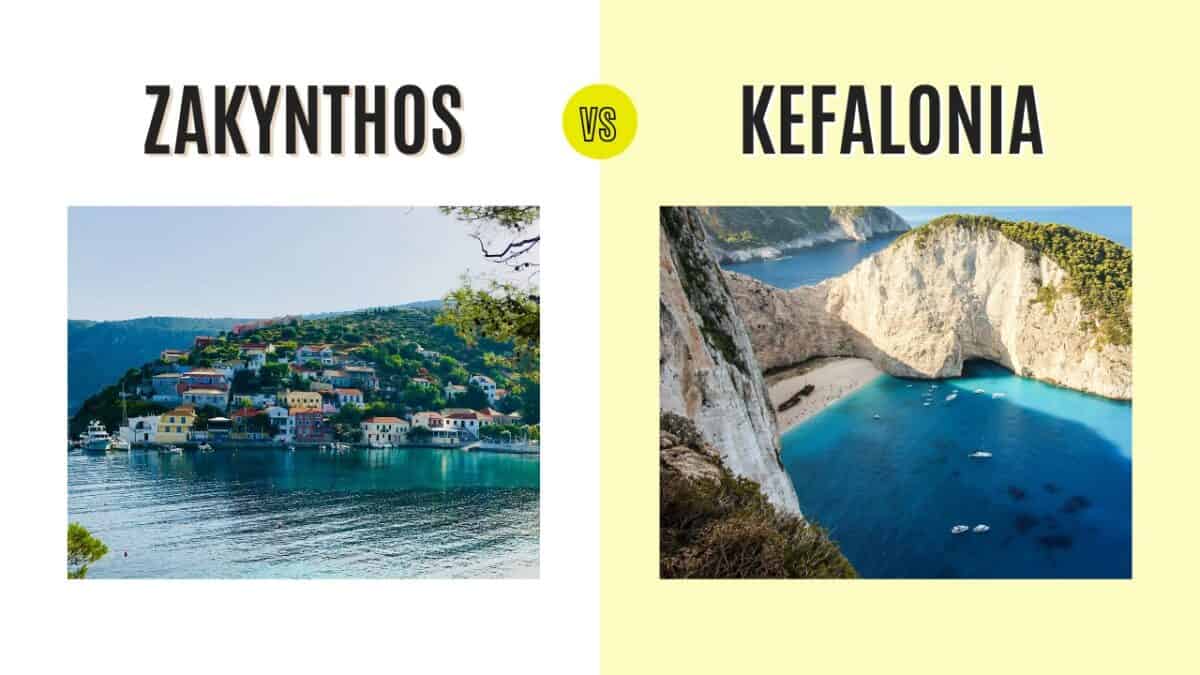
Zakynthos and Kefalonia are neighboring Ionian islands with vastly different landscapes. Kefalonia is the largest Ionian island (781 km²), defined by rugged mountains, quiet fishing villages (Fiskardo), and a slower, authentic pace suited for couples and older travelers. Zakynthos is smaller (405 km²), flatter, and famous for world-class sandy beaches (Navagio) and heavy nightlife (Laganas), making it ideal for younger crowds and families seeking resorts. Choose Kefalonia for nature, and Zakynthos for beaches.
Thinking about turquoise waters and sunny Ionian beaches? Zakynthos and Kefalonia deliver jaw-dropping scenery, but each island has its unique vibe. Kefalonia suits travelers who love mountains, history, and a slower pace, while Zakynthos is more for those chasing iconic beaches and a buzzy atmosphere.
Even though these islands sit close together, their personalities couldn’t be more different. Zakynthos (or Zante, as some call it) is all about that famous Shipwreck Beach and late-night fun in certain towns. Meanwhile, Kefalonia wins people with its rugged mountains, fascinating history, and a chill, authentic Greek feel.
So, what matters most to you? Kefalonia’s Mount Ainos and storybook villages feel a world away from Zakynthos’ blue caves and sparkling coves. No matter which you pick, you’ll find gorgeous beaches and that warm Greek hospitality everyone raves about.
Key Takeaways
- Kefalonia has more mountains and history, plus a relaxed atmosphere. Zakynthos brings those postcard beaches and a busier nightlife.
- Both coastlines are stunning, but Zakynthos’ Shipwreck Beach and Blue Caves get more buzz than Kefalonia’s Myrtos Beach.
- If you want a quieter, more local Greek experience, go to Kefalonia. For dramatic scenery and a bigger tourism scene, go to Zakynthos.
Location and Accessibility

Zakynthos and Kefalonia sit in the Ionian Sea, but getting there isn’t quite the same. How you reach each island depends on flights, ferry options, and what you’re willing to put up with on the ground.
Where Are Zakynthos and Kefalonia?

These two are neighbors off Greece’s west coast. Kefalonia, the biggest Ionian island, is known for its rugged mountains and cliffs. There’s a lot of ground to cover, so getting around can take a while.
Zakynthos, just south of Kefalonia, is smaller and flatter, which makes exploring easier. It’s famous for Navagio (Shipwreck) Beach and those surreal blue caves.
Both islands aren’t far from the Greek mainland—Kefalonia sits about 30 miles away. Ferries from the mainland ports make reaching them pretty straightforward.
Getting There: Flights and Ferries

Both islands have international airports that welcome direct flights from Europe in the summer. Zakynthos usually gets more flights than Kefalonia’s airport in Argostoli. In the off-season, you’ll probably have to connect through Athens.
If you’re watching your budget, Sky Express runs domestic flights from Athens year-round.
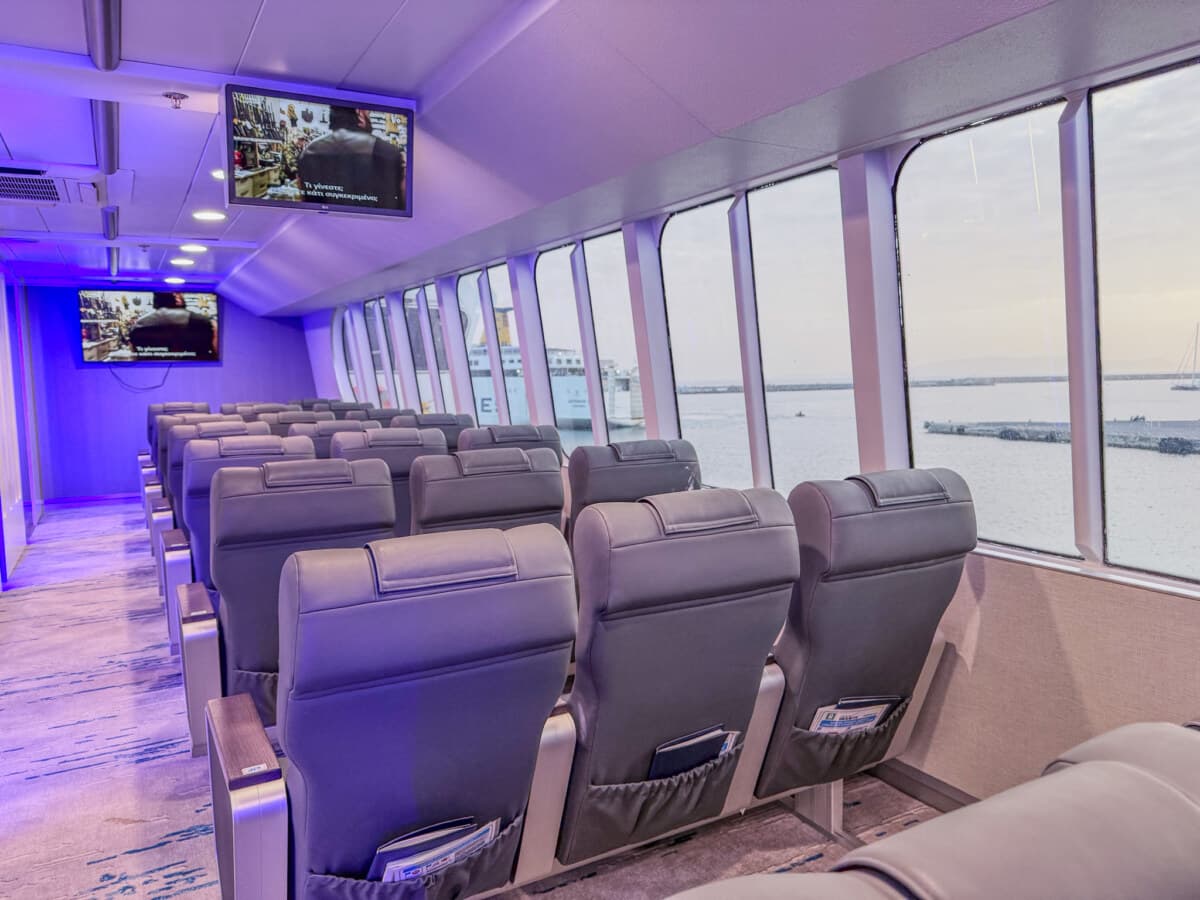
Ferries are another solid choice. Several ferries a day leave from Killini port on the mainland for both islands. Zakynthos is about 1–1.5 hours away by ferry, while Kefalonia takes 1.5–3 hours, depending on your destination.
You can also hop between Zakynthos and Kefalonia by ferry in the summer—usually just an hour or two.
Public Transport and Getting Around

Public transport exists on both islands, but it’s pretty basic. Kefalonia’s buses connect Argostoli to the main towns and beaches, though you might wait a while between rides. Zakynthos has a similar network, centered on Zakynthos Town.
If you want to explore freely, rent a car. Kefalonia’s winding roads can be tricky, but the views are worth it. Some out-of-the-way beaches need a 4WD vehicle.
Taxis are available, but they can be pricey if traveling far. Many take guided tours to reach tough spots like Shipwreck Beach or Myrtos Beach.
Scooters are a hit, especially on Zakynthos, where the roads are easier. Just watch out—country roads can get a little wild.
Beaches and Coastal Highlights

Both islands have amazing beaches and coastlines. The clear water and wild shorelines here stay with you long after you leave.
Iconic Beaches of Zakynthos

Navagio Beach (Shipwreck Beach) is Zakynthos’ crown jewel, once voted the world’s best beach. You can only get there by boat, but it’s worth it: that rusted ship on blinding white sand, hemmed in by cliffs, is unforgettable. The water is that blue.
Laganas Bay is a big deal too—it’s one of the top nesting spots for endangered Caretta Caretta turtles. During nesting season, you’ll see signs and protected areas.
If you want something quieter, try Keri Beach. The caves and rock formations are great for swimming and snorkeling. Alykanas and Alexes beaches are perfect for families, with shallow water and all the basics you’d expect.
Kefalonia’s Stunning Shores

Myrtos Beach in Kefalonia looks unreal. It is wedged between mountains, with blinding white pebbles and neon blue water. No wonder it appears in so many travel ads.
Near Lassi, you’ll find long sandy beaches with beach bars and everything you need for a lazy day.
Fiskardo’s coast is dotted with pebble coves and clear water—snorkeling here is a treat. The harbor is cute and lively, too.
Assos beach is smaller and feels more secret, tucked into a horseshoe bay with a colorful village as a backdrop. It’s a great spot for a quiet swim and some photos.
See Related:Best Greek Islands for Couples
Nature and Wildlife Experiences

Zakynthos and Kefalonia both wow nature lovers. From wild caves to rare wildlife, these islands show off some of Greece’s best natural wonders.
Natural Wonders Unique to Each Island

Zakynthos has the world-famous Navagio Beach, with its crazy white cliffs and blue water. The Blue Caves up north are another must-see—the sunlight turns the sea a glowing blue, and it feels a bit magical.
Kefalonia answers with Melissani Cave, where you can float on an underground lake that glows blue, especially around midday when the sun pours in from above.
Zakynthos has plenty of rocky beaches and little ports to explore by boat. The cliffs and caves around Keri are especially beautiful at sunset.
Kefalonia’s Assos peninsula forms a picture-perfect horseshoe bay. If you’re into hiking, Mt. Ainos National Park has black pine forests you won’t see anywhere else in Greece.
Wildlife Watching and Eco-Tourism

Zakynthos draws people for its Caretta Caretta turtles, which nest on the island’s beaches. Laganas Bay is a hotspot for turtle tours (the good ones follow wildlife rules), and the Sea Turtle Rescue Center is worth a visit if you care about conservation.
Kefalonia has its wildlife, like the rare Mediterranean monk seals, you might spot along the shore. Wild horses roam the Mount Ainos area, which is honestly pretty cool.
Birdwatchers will find plenty to love on both islands—watch for falcons, eagles, and wetland birds.
If you’re into eco-tourism, you’ll find guided nature walks on both islands. These tours help you spot wild orchids, herbs, and all sorts of local plants, while giving you a peek into the islands’ environmental challenges.
Distance and Transit: Zakynthos to Kefalonia
Traveling between Zakynthos and Kefalonia is easy during the summer, as they are neighboring islands in the Ionian Sea.
- Ferry Route: The direct ferry runs between Agios Nikolaos (northern Zakynthos) and Pessada (southern Kefalonia).
- Ferry Time: 1.5 hours.
- Ferry Cost: Approximately €10 to €15 per passenger.
- Frequency: Twice daily during the summer season (May through October).
- Off-Season: Direct ferries stop running in the winter. You must take a ferry to the mainland (Killini) and catch a second ferry back to the other island.
Major Towns and Villages

You’ll find plenty of charm in the towns and villages on both islands. Whether you want a lively harbor or a sleepy hilltop village, there’s somewhere that’ll feel just right.
Exploring Zakynthos Town and Beyond

Zakynthos Town, the capital, combines Venetian buildings, lively squares, and cafes. Solomos Square is the heart of the action, especially in the evenings.
Just north, Alykes and Alykanas offer a slower pace. These villages are great for families, with easy beaches and old-school tavernas.
Keri Village sits on a hillside with knockout views of the Keri Caves. It’s small, peaceful, and much more “Greek” than the busier towns.
Argostoli and Kefalonia’s Highlights

Argostoli, Kefalonia’s capital, blends modern life with tradition. The main pedestrian street, Lithostroto, is the spot for shopping or people-watching. If you’re up early, the fish market is worth looking at; you might even see loggerhead turtles in the harbor.
Fiskardo is the island’s prettiest village, with Venetian houses that survived the 1953 earthquake. The harbor is colorful and popular with yachties and day-trippers.
Assos is tiny but ridiculously photogenic. Pastel houses, a 16th-century fortress, and a horseshoe harbor make it feel like a postcard.
Lassi is more resort-y and close to Argostoli. The nearby beaches make it a hit with families and Kefalonia newbies.
Local Food, Drink, and Tavernas

Both islands know how to feed you well. Expect authentic Greek flavors, fresh seafood, and recipes that have been in families for ages.
Traditional Cuisine and Taverna Culture

Eating at a taverna here is special. In Zakynthos, family spots often serve dishes like grandma used to make—sometimes she’s still in the kitchen, with her kids and grandkids running the show.
Kefalonia’s tavernas can feel even more rustic, especially in mountain villages like Assos or Fiskardo. Try the local meat pie (kreatopita) with a glass of Robola wine—a crisp white perfect with seafood.
Seafood is everywhere—think grilled octopus, red mullet, and anchovies. Order sofrito (veal in white wine) if you’re in Kefalonia. In Zakynthos, go for rabbit stifado.
The vibe is super laid-back. Don’t be shy—peek into the kitchen pots before you order.
Unique Food Experiences on Each Island

Zakynthos has a few treats you won’t find on Kefalonia. “Mandolato,” a nougat with honey and almonds, makes a tasty souvenir. The island’s Verdea wine, a sweet amber drink that dates back to Venetian times, pairs nicely with desserts.
Kefalonia is famous for its Robola wine. You can visit the Robola Cooperative in Omala Valley for a tasting. The island’s thyme honey is delicious, and “riganada”—bread with olive oil, tomatoes, and oregano—makes for a simple but tasty snack.
If you want the real deal, skip the touristy places. For food, the locals eat and hunt down small tavernas like Mikro Nisi in Zakynthos or Tassia’s in Fiskardo.
Accommodation and Properties

Picking between Zakynthos and Kefalonia? Where you stay will shape your whole trip. Both islands have many places to stay, from budget to luxury, and each area has its own character.
Types of Accommodation: From Otel to Villa

You’ll find many accommodation choices on both islands, regardless of your budget or vibe. Kefalonia usually costs less overall—expect to spend around €294 per person daily, while Zakynthos averages closer to €521.
Zakynthos has many luxury resorts scattered along its eastern and southern coasts. These resorts offer dreamy sea views and easy beach access. Boutique hotels are increasing, especially in Alykes, where family-run places make things feel extra welcoming.
Kefalonia’s charm comes through in its boutique hotels tucked into traditional villages. Here, you get a taste of real Greek life—less mass tourism, more authenticity.
Both islands now offer more private villas with pools, which work perfectly for families or groups who want privacy. In Kefalonia’s north, especially around Fiskardo, you’ll spot old stone houses that owners have turned into cozy vacation homes.
Best Areas to Stay on Each Island

Alykes in Zakynthos nails that sweet spot between convenience and peace. The sandy beach is great, and you can walk to most tavernas from wherever you’re staying.
Laganas draws the party crowd with its wild nightlife and wallet-friendly rooms. It’s not the place for quiet nights, though. Tsilivi’s upscale hotels and lovely beaches if you’re after something fancier.
Over in Kefalonia, Fiskardo stands out. The harbor town, lined with colorful Venetian buildings, now houses top-notch accommodations, though you’ll pay for the privilege.
Skala gives you easy beach access and solid mid-range places to stay. Argostoli, the capital, works well as a base if you want city comforts near the main square with a bit of local charm.
See Related:Best Family Resorts in Greece
Island Activities and Adventure

Adventure seekers will have a blast on both Zakynthos and Kefalonia. These islands are made for water sports, exploring, and island-hopping—there’s no shortage of stuff to do.
Water Sports and Outdoor Adventures

Zakynthos is heaven if you’re into water sports. The clear waters at Laganas Bay are perfect for snorkeling and swimming.
You can rent jet skis near Tsilivi Beach or try parasailing for a killer coastline view. Kayaking around the Blue Caves? Put it on your list—it’s unforgettable.
Kefalonia has more variety in its landscape. Myrtos Beach is great for windsurfing when the breeze picks up. If you like hiking, there are trails up Mount Ainos—sometimes you’ll even spot wild horses.
Divers will find good spots on both islands, but Kefalonia’s underwater caves near Fiscardo are special. Rock climbing is catching on along Kefalonia’s limestone cliffs, and both islands have some excellent mountain biking trails.
Day Trips to Nearby Islands

It’s easy to hop from Zakynthos to Kefalonia for a day—just a quick ferry ride (1-2 hours). Tour operators usually include swimming stops and lunch. Marathonisi (Turtle Island) sits just off Zakynthos and is a fun half-day trip, especially if you want to see loggerhead turtles.
Kefalonia’s location makes it a great base for island-hopping. Boats run regularly to Ithaca—it’s only 30 minutes away, and perfect for anyone curious about Odysseus’ legendary home. Lefkada is also within reach of northern Kefalonia, and its beaches, like Porto Katsiki, are stunning.
You’ll find boat tours from both islands that take you to hidden beaches and sea caves you can’t get to by land. These usually throw in some snorkeling and a classic Greek lunch on board.
Culture, Traditions, and Events

Kefalonia and Zakynthos both have deep roots in Greek culture. Each island keeps its quirky customs and celebrations alive, and if you time your visit right, you’ll get a real sense of Ionian life.
Festivals and Greek Easter Celebrations

Greek Easter is a huge event everywhere, but Argostoli’s Holy Week stands out in Kefalonia. Locals toss clay pots from balconies on Holy Saturday—supposedly to mark the earthquake during Christ’s resurrection.
Zakynthos brings its flavor to Easter. At midnight, the “Christos Anesti” procession fills the streets with candlelight. Easter Sunday is about feasting: lamb, red eggs, and sweet tsoureki bread.
Come summer, festivals are everywhere. Kefalonia’s August wine festival in Fragata is a highlight—lots of Robola wine and local cheer. Zakynthos hosts lively panigiri (local festivals) all summer, with kantades music that shows off the island’s Italian side.
Local Heritage and Unique Customs

Kefalonia hasn’t let go of its musical past. The cantades (serenades) here, shaped by Venetian rule, sound different from elsewhere in Greece. Don’t be surprised if you stumble upon a spontaneous singing session in a village square.
Zakynthos is better known for nightlife, especially in Laganas, but there’s more to it. The “Varkarola” festival is a local favorite—boats decorated with lights and music to celebrate St. Dionysios’ return.
Both islands put on traditional dance shows in summer. You’ll spot locals dancing the kalamatianos or tsirigotikos at restaurants and events. Kefalonia keeps things a bit more relaxed than the party spots on Zakynthos.
See Related:Best Greek Islands To Visit
Comparisons With Other Greek Islands

Zakynthos and Kefalonia each have their own thing going on, and they’re not quite like Crete, Corfu, Rhodes, or Santorini. Here’s how they stack up.
Zakynthos vs Crete, Corfu, and Rhodes

Zakynthos feels much more manageable than Crete. You won’t spend all day driving—most of the island is easy to see in a few days. Shipwreck Beach (Navagio) is famous for a reason, and honestly, it rivals Santorini for the most epic photos.
Corfu is more built-up and cosmopolitan, with strong Italian influences in the architecture. Rhodes has more ancient sites, but can’t compete with Zakynthos’ blue caves or turtle beaches.
For beaches, Zakynthos is right up there with Kos, though Kos Town’s nightlife is a bit livelier than anywhere on Zakynthos except maybe the Laganas strip.
Kefalonia and the Ionian Balance

Kefalonia gives you that “authentic Greece” vibe that’s getting harder to find. Santorini’s beautiful but packed, especially when cruise ships are in. Kefalonia, even in summer, feels more chilled out.
Many travelers say Kefalonia now feels like Zakynthos did a couple of decades ago, before mass tourism changed things. The mountains here are dramatic—Mt. Ainos rises straight out of the sea.
Between Kefalonia and Zakynthos, which island offers better beaches and natural beauty?

Kefalonia comes in strong with its dramatic landscapes—think cliffs dropping down to white pebble beaches like Myrtos Beach. Even during peak season, you probably won’t have to fight through crowds, and the scenery changes greatly, from rugged mountains to mysterious caves and green forests.
Most beaches in Kefalonia have pebbles instead of sand, but the water? It’s crystal clear, absolutely perfect if you like snorkeling. Antisamos and Petani beaches deliver jaw-dropping views, especially with the mountains looming in the background.
On the other hand, Zakynthos nails those iconic beach scenes—Navagio Beach, for example, shows up on postcards worldwide. If you prefer sandy beaches, you’ll find more of them here, like Gerakas and Banana Beach, so it’s a bit more comfortable for just stretching out in the sun. And if you love swimming in surreal blue water, the Blue Caves and Keri Caves are hard to beat.
What are the logistical considerations when planning to hop from Kefalonia to Zakynthos?

Ferries connect Pessada (Kefalonia) and Skinari (Zakynthos) during the summer, and the ride usually takes about 1 to 1.5 hours. If you’re traveling in peak season, it’s smart to grab tickets early—these ferries fill up fast.
Schedules can be a bit unpredictable. You’ll see more sailings in summer, but things slow down or even stop completely in the winter. It’s always a good idea to double-check the latest timetables before you set out.
Bringing a rental car? Double-check with your rental company first—most don’t let you take their cars between islands, which can be a bit of a hassle. Flying between the islands is possible, but you’ll have to connect through Athens, and honestly, it’s usually pricier and takes longer than just hopping on the ferry.
FAQs
How far is Zakynthos from Kefalonia?
Zakynthos and Kefalonia are very close. The distance between the northern tip of Zakynthos (Agios Nikolaos) and the southern tip of Kefalonia (Pessada) is only about 15 nautical miles. The direct ferry takes 1.5 hours.
Can you do a day trip from Zakynthos to Kefalonia?
Yes, a day trip is possible during the summer. The ferry from Agios Nikolaos (Zakynthos) to Pessada (Kefalonia) takes 1.5 hours. You can leave in the morning and return in the late afternoon. However, because Kefalonia is so large, you will only have time to see a small portion of the island.
Which island is better for families: Zakynthos or Kefalonia?
Zakynthos is generally better for families with young children because it is flatter, the roads are easier to navigate, and the beaches (like Alykanas) have soft sand and shallow water. Kefalonia is better for families with older children who don’t mind longer drives and pebble beaches.
Which island has better nightlife: Zakynthos or Kefalonia?
Zakynthos has significantly more nightlife. The Laganas and Zante Town areas are famous for late-night clubs and bars. Kefalonia is much quieter; its nightlife consists mostly of relaxed tavernas and cocktail bars in Argostoli and Fiskardo.