Museum of Minerals and Fossils Perissa Santorini
Specialist museum in Perissa displaying prehistoric plant fossils, mineral specimens, and geological artifacts illustrating Santorini’s history.
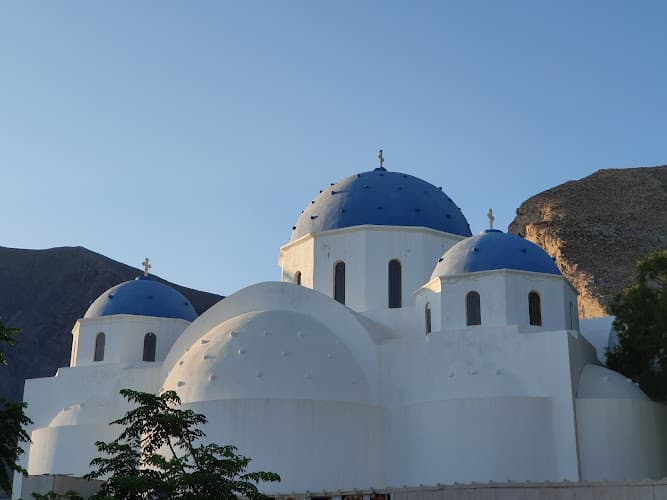
About Museum of Minerals and Fossils Perissa Santorini
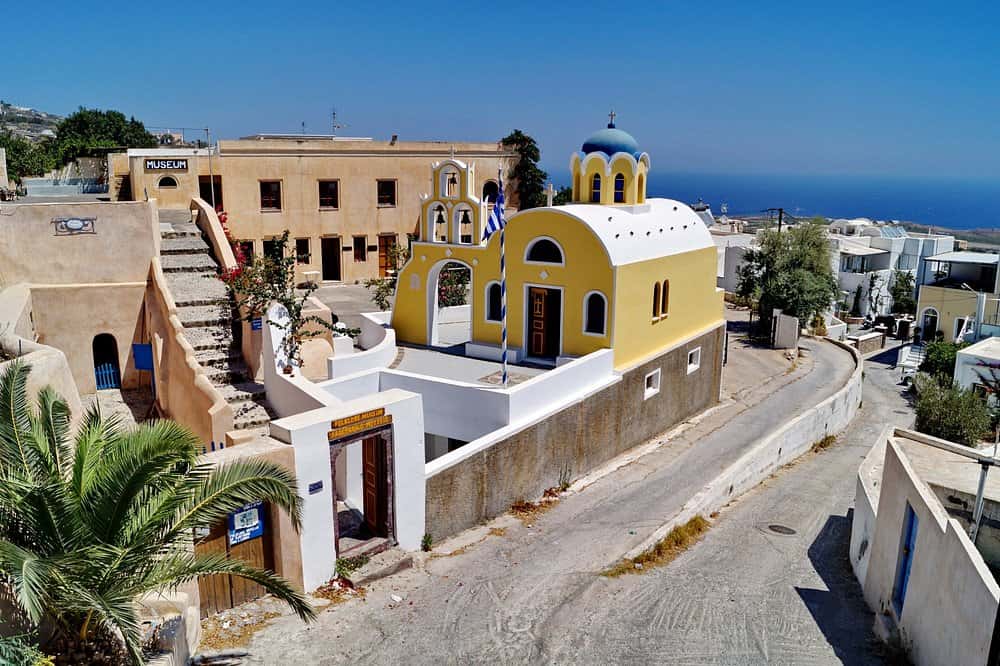
The Museum of Minerals and Fossils is a small geology and fossil museum in Perissa, on Santorini’s southeast coast. The Cultural Society of Thera founded it in 2006, and it sits beside the church of Timios Stavros (Holy Cross). Its specimens come from Santorini, mainland Greece and abroad, and they range from about 1.5 billion to 50,000 years old. Published hours are daily 10:00-14:00 in summer and Sunday mornings in winter. Recent visitor reports say the doors have often been shut during those hours, so phone before you make a special trip.

Museum at a glance
| Detail | Information |
|---|---|
| Name | Museum of Minerals and Fossils (Μουσείο Ορυκτών και Απολιθωμάτων), run by the Cultural Society of Thera |
| Location | Next to the church of Timios Stavros (Holy Cross), Perissa 847 03, Santorini |
| Founded | 2006 |
| Collection age | About 1.5 billion to 50,000 years |
| Published hours | Summer: daily 10:00-14:00. Winter: Sunday mornings only |
| Phone | +30 697 726 0048 |
| Admission | No current ticket price is published |
| Time needed | About 30 minutes |
| Current status | Unconfirmed: several visitors report finding it closed |
What is in the collection
The municipality’s tourism page picks out two main parts of the collection. The first is a mineral collection from Lavrio in Attica, a mining district worked since ancient times. The second is a set of fossils that covers all the major groups of organisms. For Santorini visitors, the plant fossils are the main reason to come.
- Fossilized olive, mastic and palm trees from the Santorini caldera, dated to about 50,000-60,000 years ago
- A fossilized olive branch about 2 metres long, one of the most-mentioned exhibits
- Minerals from Lavrio, one of Greece’s best-known historic mining areas
- Fossils and minerals from other parts of Greece and abroad, for comparison with the island’s own material
The municipality describes the caldera plant fossils as rare paleoflora, unique in the Mediterranean. They show that olives, mastic and palms grew on the island tens of thousands of years before the Late Bronze Age eruption that shaped today’s caldera. That gives useful background to anyone who plans to visit the Santorini volcano.
Is it worth visiting?
It is worth a visit if you already like geology, if you travel with children who love rocks and fossils, or if you want a short indoor stop on a windy or very hot day in Perissa. Expect a small specialist collection of specimens with written explanations. There are no large interactive displays, and most people see everything in about half an hour.
If you only have time for one museum and want to learn about the island’s human history, go to the Museum of Prehistoric Thera in Fira instead. It holds finds from Akrotiri and keeps regular published hours. For a hands-on stop in the south of the island, the Santorini Wine Museum and the Santorini Tomato Industrial Museum are more dependable choices.
Opening hours and current status
Island tourism listings give the hours as 10:00-14:00 every day in summer, and Sunday mornings only in winter. The published mobile number is +30 697 726 0048. These are the only hours in circulation, but they do not match recent visitor experience. Aggregated map listings mark the museum as permanently closed, and reviewers describe trying at different times of day and finding it locked with no timetable posted. Some of those listings show a second number, +30 697 640 3771.
Treat the museum as a bonus, not the main reason for a trip to Perissa. Call one of the numbers above before you go, or ask your hotel reception to check for you. If nobody answers, plan your day on the assumption that it will be closed.
Getting there and what is nearby
The museum is in Perissa village, next to the Timios Stavros church, so you can easily combine it with a morning on Perissa Beach. KTEL buses run from the main bus station in Fira to Perissa. Check the latest departures in the Santorini bus schedule. If you drive, follow the road south toward Emporio and then the signs to Perissa.
Ancient Thera sits on Mesa Vouno, the mountain above Perissa. It is the most rewarding sight to pair with the museum if you want a full half day in the area. The black-sand beaches of Perissa and Perivolos are covered in the Santorini beaches guide. If you want to stay within walking distance, see the Perissa hotels guide.
Local tip: The museum is best as a short stop before or after time on Perissa Beach, especially on a windy day when a long beach session is less appealing.
Frequently asked questions
How much does the Museum of Minerals and Fossils cost?
No current admission price is published by the municipality or island tourism listings. Ask about entry when you call to confirm the museum is open.
How do I find the museum entrance in Perissa?
The entrance is next to the entrance of the Timios Stavros (Holy Cross) church. One visitor reported that the signage is in Greek only, so look for Μουσείο Ορυκτών και Απολιθωμάτων.
Is the museum good for children?
It suits children who are already interested in rocks and fossils, and a visit takes about 30 minutes. Younger children who need interactive exhibits may lose interest quickly.
Is this the same as the Museum of Prehistoric Thera?
No. The Museum of Prehistoric Thera is in Fira and displays finds from Akrotiri. The Museum of Minerals and Fossils is a separate, much smaller geology museum in Perissa run by the Cultural Society of Thera.
Reviews
Loading traveler reality-check data for Museum of Minerals and Fossils Perissa Santorini.
Amenities & Features
- Cultural Experience
- Indoor Activity